
Hey there! As a supplier of Grey Iron Parts, I often get asked about the wear resistance of these parts. So, I thought I'd take some time to break it down for you.
First off, let's talk about what grey iron is. Grey iron is a type of cast iron that gets its name from the grey color of its fracture surface. It's made up of iron, carbon, and silicon, with a relatively high carbon content. This gives it some unique properties that make it a popular choice for a variety of applications.
One of the key properties of grey iron is its wear resistance. Wear resistance refers to a material's ability to withstand the effects of friction, abrasion, and other forms of wear over time. In the case of grey iron parts, this is a crucial factor, especially in applications where the parts are subjected to high levels of stress and wear.
So, what makes grey iron so wear - resistant? Well, it all comes down to its microstructure. Grey iron has a graphite structure in the form of flakes. These graphite flakes act as a built - in lubricant. When the part is in use and there's friction between surfaces, the graphite flakes can break off and form a thin layer between the contacting surfaces. This layer reduces the coefficient of friction, which in turn reduces the amount of wear on the part.
Another factor contributing to the wear resistance of grey iron is its hardness. Grey iron can be heat - treated to achieve different levels of hardness. A harder grey iron part will generally have better wear resistance. The hardness of grey iron is also related to its carbon and silicon content. Higher carbon content can increase the hardness of the iron, but it also needs to be balanced with other elements to maintain the overall properties of the material.

Let's look at some real - world applications where the wear resistance of grey iron parts is crucial. One common application is in automotive engines. Grey iron is used to make engine blocks, cylinder liners, and brake discs. In an engine, the cylinder liners are constantly in contact with the pistons, which move up and down at high speeds. The wear resistance of the grey iron liners ensures that they can withstand the friction and heat generated during the engine's operation without wearing out too quickly.
Brake discs are another great example. When you apply the brakes in your car, the brake pads clamp down on the brake discs, creating a lot of friction. The wear resistance of the grey iron brake discs allows them to handle this friction and provide reliable braking performance over a long period of time.
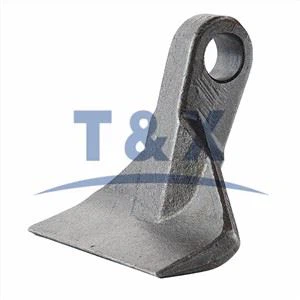
In the agricultural industry, grey iron parts are also widely used. For instance, the Grey Iron Or Ductile Iron Disc Harrow Spool is an important component. A disc harrow is used to till the soil, and the spool has to withstand the abrasive forces of the soil. The wear resistance of the grey iron ensures that the spool can keep working effectively even in tough agricultural conditions.
Now, it's important to note that the wear resistance of grey iron parts isn't just about the material itself. The design of the part also plays a big role. A well - designed part will distribute the forces evenly across its surface, reducing the stress on any one area. This can significantly improve the wear resistance of the part. For example, if a part has sharp corners or edges, these areas are more likely to experience concentrated stress and wear. By rounding off the corners and using a smooth surface design, we can enhance the part's ability to resist wear.
The operating conditions also affect the wear resistance of grey iron parts. If the parts are used in a dirty environment with a lot of dust and debris, they will experience more wear compared to parts used in a clean environment. Temperature is another factor. High temperatures can change the properties of the grey iron, potentially reducing its wear resistance. So, it's important to consider these environmental factors when using grey iron parts.
As a supplier of Grey Iron Parts, we take a lot of care in ensuring that our parts have excellent wear resistance. We use high - quality raw materials and follow strict manufacturing processes. Our quality control team conducts various tests on the parts to make sure they meet the required standards for wear resistance.
If you're in the market for Grey Iron Parts and you're concerned about wear resistance, we're here to help. We can provide you with detailed information about the wear - resistant properties of our parts and how they can meet your specific needs. Whether you're in the automotive, agricultural, or any other industry that requires wear - resistant parts, we have the expertise and the products to serve you.
So, if you're interested in learning more or want to start a purchase negotiation, don't hesitate to reach out. We're always happy to talk about our Grey Iron Parts and how they can benefit your business.
References
- "Cast Iron: Physical and Engineering Properties" by John Campbell
- "Materials Science and Engineering: An Introduction" by William D. Callister, Jr. and David G. Rethwisch