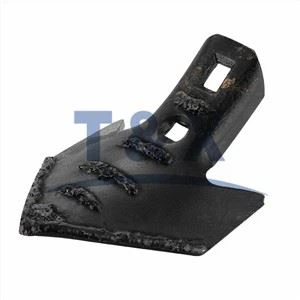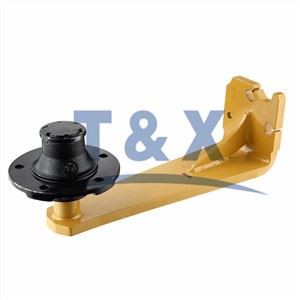

As a supplier of Tillage Arms, I've had the privilege of witnessing firsthand the impact these powerful tools can have on agricultural operations. One of the most common questions I receive from farmers and agricultural enthusiasts is, "What kind of soil is suitable for Tillage Arms tillers?" In this blog post, I'll delve into the science behind soil types and how they interact with Tillage Arms tillers, providing you with the knowledge you need to make informed decisions for your farming needs.
Understanding Soil Types
Soil is a complex mixture of minerals, organic matter, water, and air, and its composition can vary significantly from one location to another. The three main types of soil are sand, silt, and clay, each with its own unique characteristics and properties.
- Sandy Soil: Sandy soil is composed of large particles that are loosely packed together, allowing for excellent drainage and aeration. However, it also has a low water-holding capacity and is prone to nutrient leaching. Tillage Arms tillers can be highly effective in sandy soil, as the large particles are relatively easy to break up and turn over. The sharp blades of the Forged Wear Resistant Earth Preparation Cutter can quickly penetrate the soil, improving its structure and promoting better root growth.
- Silt Soil: Silt soil is made up of medium-sized particles that are more tightly packed than sand but less compact than clay. It has a moderate water-holding capacity and is rich in nutrients, making it ideal for growing a wide variety of crops. Tillage Arms tillers can be used in silt soil to break up any compacted areas and improve soil aeration. The Tillage Arms are designed to provide a consistent and thorough tilling action, ensuring that the soil is evenly mixed and prepared for planting.
- Clay Soil: Clay soil consists of very fine particles that are tightly packed together, resulting in poor drainage and aeration. It has a high water-holding capacity but can become easily compacted, making it difficult for roots to penetrate. Tillage Arms tillers can be challenging to use in clay soil, as the dense particles can be stubborn to break up. However, with the right equipment and techniques, it is possible to improve the soil structure and make it more suitable for planting. The Cultivator Attachments can be used to loosen the soil and create channels for water and air to penetrate, reducing compaction and improving overall soil health.
Factors to Consider
In addition to soil type, there are several other factors to consider when determining the suitability of Tillage Arms tillers for a particular soil. These include:
- Soil Moisture: The moisture content of the soil can have a significant impact on the performance of Tillage Arms tillers. If the soil is too dry, it can be difficult to break up and turn over, while if it is too wet, it can become sticky and compacted. It is important to wait until the soil is at the right moisture level before tilling to ensure optimal results.
- Soil Compaction: Compaction occurs when the soil particles are pressed together, reducing the pore space and limiting the movement of water, air, and roots. Tillage Arms tillers can be used to break up compacted soil and improve its structure. However, it is important to avoid over-tilling, as this can further compact the soil and cause damage to the soil structure.
- Crop Type: Different crops have different soil requirements, and it is important to choose the right tillage method and equipment based on the crop you are planting. For example, some crops may require a deeper tillage to ensure proper root development, while others may benefit from a shallower tillage to preserve soil moisture.
Benefits of Using Tillage Arms Tillers
Using Tillage Arms tillers in the right soil conditions can provide several benefits for farmers and agricultural operations. These include:
- Improved Soil Structure: Tillage Arms tillers can break up compacted soil, improve soil aeration, and promote better root growth. This can lead to increased crop yields and improved soil health over time.
- Enhanced Nutrient Availability: By mixing the soil and incorporating organic matter, Tillage Arms tillers can improve the availability of nutrients to plants. This can reduce the need for chemical fertilizers and promote more sustainable farming practices.
- Weed Control: Tilling the soil can help to uproot weeds and prevent them from competing with crops for nutrients and water. This can reduce the need for herbicides and improve the overall quality of the crop.
- Time and Labor Savings: Tillage Arms tillers are designed to be efficient and effective, allowing farmers to cover large areas of land in a relatively short amount of time. This can save time and labor costs, making farming more profitable and sustainable.
Conclusion
In conclusion, the suitability of Tillage Arms tillers for a particular soil depends on several factors, including soil type, moisture content, compaction, and crop type. By understanding these factors and choosing the right equipment and techniques, farmers can ensure that they are using Tillage Arms tillers to their full potential, improving soil health, increasing crop yields, and promoting more sustainable farming practices.

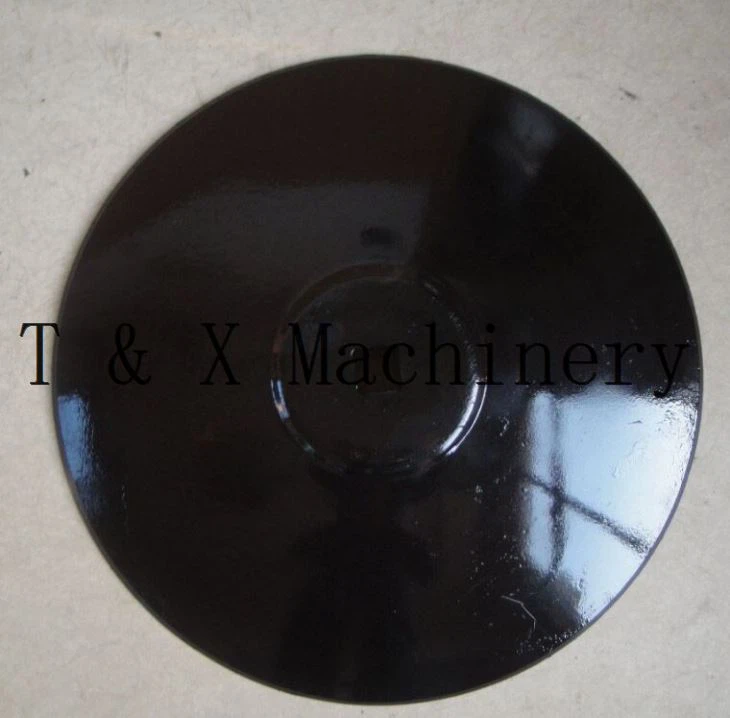
If you are interested in learning more about Tillage Arms tillers and how they can benefit your farming operation, I encourage you to contact me for a consultation. I would be happy to discuss your specific needs and provide you with the information and support you need to make an informed decision.
References
- Brady, N. C., & Weil, R. R. (2008). The nature and properties of soils. Pearson Prentice Hall.
- Lal, R. (2004). Soil management and climate change. CRC Press.
- Tisdall, J. M., & Oades, J. M. (1982). Organic matter and water-stable aggregates in soils. Journal of Soil Science, 33(2), 141-163.