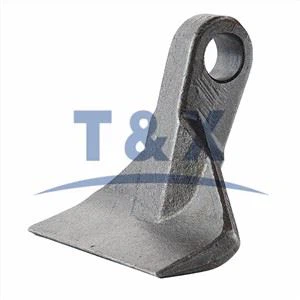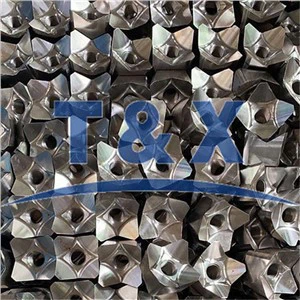

As a supplier of Stump Grinder Parts, I've witnessed firsthand the growing interest in the environmental impacts associated with these components. In this blog, I'll delve into the various ways stump grinder parts can affect the environment, from their production to their use and disposal.


Production Phase
The production of stump grinder parts involves several processes that can have environmental implications. Raw materials such as steel, carbide, and other alloys are commonly used in manufacturing Stump Grinder Teeth, Stump Grinder Pockets, and Stump Grinder Bolts. Extracting these raw materials often requires mining, which can lead to habitat destruction, soil erosion, and water pollution.
For example, the mining of iron ore, a key component in steel production, can cause significant environmental damage. Open - pit mines can disrupt large areas of land, destroying natural habitats for plants and animals. Moreover, the processing of these raw materials into usable forms consumes a substantial amount of energy. Steel production, for instance, is energy - intensive and is a major contributor to greenhouse gas emissions.
However, many modern manufacturers, including those in our supply chain, are taking steps to mitigate these impacts. They are increasingly using recycled materials in production. Recycling steel reduces the need for new iron ore mining and significantly cuts down on energy consumption. By using recycled steel, we can reduce energy use by up to 75% compared to producing steel from virgin materials. Additionally, some manufacturers are implementing cleaner production technologies, such as more efficient furnaces and waste - management systems, to minimize pollution and energy waste.
Use Phase
During the use of stump grinder parts, there are also environmental factors to consider. One of the primary concerns is the noise pollution generated by stump grinders. These machines can be quite loud, especially when operating at full capacity. The high - pitched noise can disrupt local wildlife, affecting their communication, mating, and foraging behaviors. For example, birds may be unable to hear each other's calls, which can lead to a decline in breeding success.
Another significant issue is air pollution. Stump grinders are typically powered by internal combustion engines, which burn fossil fuels such as gasoline or diesel. These engines emit pollutants such as carbon monoxide, nitrogen oxides, and particulate matter. Carbon monoxide is a toxic gas that can be harmful to human health, while nitrogen oxides contribute to the formation of smog and acid rain. Particulate matter can cause respiratory problems in both humans and animals.
However, advancements in technology are helping to address these problems. Some modern stump grinders are now being designed with quieter engines and better noise - dampening materials. Additionally, there is a growing trend towards the use of electric stump grinders. Electric models produce zero emissions at the point of use, which significantly reduces air pollution. They are also generally quieter than their gasoline or diesel counterparts, making them a more environmentally friendly option.
In addition to these, the efficiency of stump grinder parts can also have an environmental impact. High - quality Stump Grinder Teeth that are sharp and durable can reduce the time and energy required to grind a stump. This means less fuel consumption and fewer emissions. A well - maintained set of teeth can also ensure a more precise grinding process, reducing the amount of wood waste generated.
Disposal Phase
When stump grinder parts reach the end of their useful life, proper disposal is crucial to minimize environmental impacts. Many of these parts, especially those made of metal, can be recycled. Recycling not only conserves natural resources but also reduces the energy required to produce new parts. For example, recycling aluminum requires only 5% of the energy needed to produce new aluminum from bauxite ore.
However, some parts may contain hazardous materials. Carbide tips on Stump Grinder Teeth, for instance, can be difficult to recycle due to their complex composition. If not disposed of properly, these parts can leach heavy metals and other contaminants into the soil and groundwater.
To address this issue, it's important for users to follow proper disposal procedures. Many recycling facilities are now equipped to handle carbide and other complex materials. We, as a supplier, also encourage our customers to return used parts to us. We work with specialized recycling partners to ensure that these parts are recycled or disposed of in an environmentally responsible manner.
Impact on Forest Ecosystems
Stump grinding itself can have both positive and negative impacts on forest ecosystems. On the positive side, removing stumps can help prevent the spread of diseases and pests. Stumps can serve as breeding grounds for fungi, insects, and other pathogens that can infect nearby trees. By removing stumps, we can reduce the risk of these diseases spreading and help maintain the health of the forest.
However, stump grinding can also disrupt the soil structure and the delicate balance of the forest floor ecosystem. The mechanical action of the grinder can compact the soil, reducing its porosity and water - holding capacity. This can make it more difficult for new plants to grow and can also lead to increased soil erosion. Moreover, the removal of stumps can eliminate important habitats for small animals and insects. Many insects, such as beetles and ants, use stumps as shelter and breeding sites. By removing stumps, we may be inadvertently reducing biodiversity in the area.
To minimize these negative impacts, it's important to use proper stump - grinding techniques. For example, operators should avoid over - grinding and should take steps to rehabilitate the soil after grinding. This can include adding organic matter, such as compost, to improve soil structure and fertility.
Conclusion
In conclusion, there are indeed environmental impacts associated with stump grinder parts, from production to disposal. However, it's important to note that these impacts can be managed and mitigated. Through the use of recycled materials in production, the adoption of cleaner technologies, and better disposal practices, we can significantly reduce the environmental footprint of stump grinder parts.
As a supplier of Stump Grinder Parts, we are committed to promoting environmental responsibility. We strive to work with manufacturers who prioritize sustainability and offer products that are both high - quality and environmentally friendly. We also provide our customers with information on proper use and disposal of our products.
If you are in the market for stump grinder parts and are concerned about the environmental impact, we invite you to contact us for more information. We can help you choose the right parts that not only meet your operational needs but also align with your environmental goals. Let's work together to make the stump - grinding process as sustainable as possible.
References
- American Iron and Steel Institute. (2023). The environmental benefits of steel recycling.
- Environmental Protection Agency. (2023). Noise pollution and its effects on wildlife.
- International Energy Agency. (2023). Energy efficiency in the metal production industry.