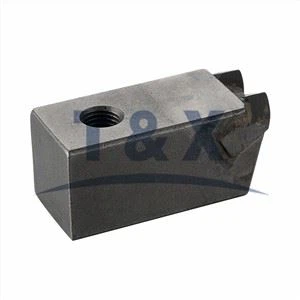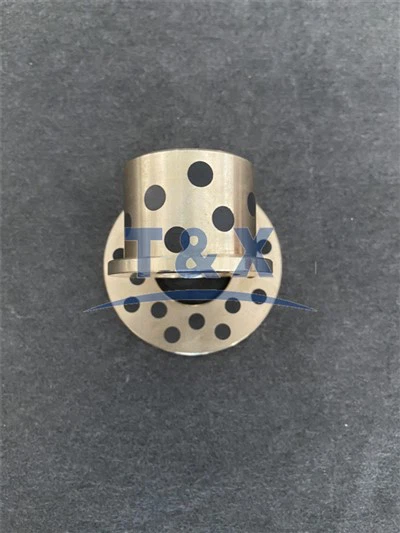

If you’re in the drilling parts game, you know the last thing you want is a part that wears out too fast or breaks mid-job. I’ve been supplying drilling and wear parts for over a decade, and one question I get asked nonstop is: “How do I actually judge the hardness of the drilling parts I’m buying (or selling)?” It’s not just about picking a part that looks heavy or feels rigid—there’s actual science behind it, and getting it wrong can cost you thousands in downtime, lost projects, or even damaged equipment. Today, I’m breaking down the real, practical ways to check hardness, plus how this matters if you’re shopping for parts like our Trencher Carbide Teeth, Mining Tooth T11, or Carbide Bullet Teeth.
First off, let’s get one thing straight: hardness in drilling parts isn’t just “how hard something is to scratch.” When we talk about parts that handle drilling, trenching, or mining, hardness is a balance—too soft, and they’ll wear away in days; too hard, and they’ll crack, chip, or snap when hitting rock or frozen ground. It’s all about matching the hardness to the job, and being able to tell the difference between a quality part and a cheap knockoff that’s been mislabeled.
Let’s start with the most common way to test hardness: the Rockwell Hardness Test. This is the industry standard, and it’s what we use in our warehouse when we receive new batches of parts. Here’s how it works (keep it simple, I promise): you press a tiny, hard diamond tip (or a steel ball, for softer parts) into the surface of the part with a specific amount of force. The depth of the indentation left behind tells you the hardness number—higher number means deeper indentation? Wait, no, wait—reverse that. Deeper indentation = softer part, so lower number. For drilling parts, we usually use the Rockwell C scale (HRC) because it works for harder materials like carbide and steel. For example, our Trencher Carbide Teeth are usually around 58-62 HRC. That’s hard enough to chew through compacted soil, small rocks, and asphalt, but not so hard that they’ll snap when the trencher hits a buried chunk of concrete. If you’re looking at a cheap trencher tooth that’s only 50 HRC, it’ll wear down in a week instead of lasting a few months. If it’s 65 HRC, it’s too brittle—we’ve seen those crack before the operator even finishes the first day on a jobsite.
Another test people use is the Brinell Hardness Test, which is more common for softer steel parts, like our Auger Tooth Holders. This uses a steel ball pressed into the part with a heavier load, and you measure the diameter of the indent. For auger holders, which hold the teeth in place and take a lot of torque but aren’t the cutting edge, we aim for around 280-320 HB (Brinell number). Too soft, and the holder will wear where the tooth mounts, so the tooth wobbles and falls off mid-drill. Too hard, and the holder won’t flex a little when the auger hits a rock, leading to cracked welds or broken teeth. It’s all about that balance.
Now, before you go running for a hardness tester at your local machine shop, there are also quick, on-the-spot ways to judge hardness without fancy equipment. These aren’t 100% accurate, but they’re great for a quick check when you’re at a supplier or picking parts out of a bin. First, the file test. Grab a standard metal file (the kind you use for DIY projects) and try to scratch the surface of the part you’re checking. If the file leaves a deep, obvious scratch, that means the part is softer than the file—so it’s probably too soft for heavy drilling. If the file barely leaves a mark, that means the part is at least as hard as the file, which is a good sign. But here’s the catch: this only works for surface hardness. A lot of cheap parts have a thin layer of hard material on the outside (like a coat of paint or a thin carbide layer) that makes the file test pass, but the core is soft. That means the hard surface will wear off in no time, and the rest of the part will bend or break. We see this all the time with imported mining teeth—they put a little carbide on the tip, but the steel underneath is garbage, so the whole tooth wears out in a week.
Another quick check is the spark test. If you grind a little piece of the part against a grinding wheel, the sparks that fly off tell you about the material’s makeup and hardness. Harder materials produce shorter, fewer sparks, while softer materials produce long, sparky bursts. For example, our Mining Tooth T11, which is designed for hard rock mining, will produce short, orange sparks when ground, because it’s made of a high-carbon steel with a hard carbide tip. A softer, low-quality tooth will produce long, yellow sparks, meaning it’s not cut out for heavy rock. This test is super useful if you’re comparing parts side by side, but you have to know what to look for—there’s a bit of a learning curve, so don’t rely on this alone for critical jobs.
Wait, let’s talk specifically about the parts we supply, because that’s probably what you care about if you’re reading this. Let’s break down a few common drilling parts and their ideal hardness, because not all parts need the same hardness. First, Carbide Bullet Teeth—these are the small, round tips you see on augers for digging in rock or hard soil. These are all about cutting power, so they need to be super hard, usually 60-65 HRC. If you get bullet teeth that are only 55 HRC, they’ll wear down fast, and you’ll have to replace them every few days. We run tests on every batch of our Carbide Bullet Teeth to make sure they hit that 60-65 HRC mark, because we’ve had customers come back before saying their cheap teeth didn’t last, and we’d rather avoid that hassle.


Then there’s Auger Fishtail Bits—these are the flat, wide bits on the end of augers that do most of the digging. They need a little more toughness than the bullet teeth, because they take a lot of torque and can hit rocks head-on. So their hardness is usually around 55-58 HRC. If they’re too hard, they’ll crack when hitting a rock; too soft, they’ll bend and not dig straight. We’ve had customers tell us they bent their fishtail bits after buying cheap ones, and when we tested them, they were only 50 HRC—no wonder. Our Auger Fishtail Bits are tested to make sure they hit that sweet spot, so they dig straight and don’t bend or crack even when the auger is under heavy load.
And don’t forget the Auger Tooth Holders I mentioned earlier. These are the unsung heroes of the drilling system—they hold all the cutting teeth, so they need to be tough, not super hard. Their hardness is around 280-320 HB, which is soft enough to flex a little when the auger hits a rock, but hard enough to not wear out where the tooth mounts. If a holder is too hard, it’ll break when the tooth hits something unexpected; too soft, it’ll wear out in a month. We get so many requests for replacement holders because the original ones were too soft, so we make sure ours hit that 300 HB mark every time.
Now, here’s the important part: why does all this matter to you? If you’re a contractor or a mining company, buying the right hardness parts means less downtime, less money spent on replacements, and less stress on your equipment. I’ve had a customer who was using cheap trencher teeth for a highway project—they were replacing teeth every 2 days, which cost him $1,500 a week in parts and labor. He switched to our Trencher Carbide Teeth, which are 58-62 HRC, and he’s only replacing teeth every 3 weeks. That’s a huge difference—he saved over $50,000 in a month just by getting the right hardness parts. On the flip side, another customer bought super hard carbide teeth because he thought “harder is better,” and half of them cracked within the first week when hitting buried rocks. He learned that hardness isn’t everything—it’s matching it to the job.
So, how do you avoid getting stuck with the wrong hardness parts? First, know what the job requires. If you’re digging in soft soil, you don’t need 65 HRC teeth—those will just snap. If you’re drilling in hard rock, you need at least 60 HRC. Second, work with a supplier you trust. A lot of cheap suppliers will mislabel their parts’ hardness to make them sound better. We post the actual hardness specs for every part on our site—you can check our Trencher Carbide Teeth page to see their HRC range, same with our Mining Tooth T11, Carbide Bullet Teeth, Auger Tooth Holders, and Auger Fishtail Bits. We don’t hide anything, because we’ve been in this game long enough to know that trust is everything. Third, if you can, get parts tested. Most local machine shops can do a Rockwell or Brinell test for a small fee, and it’s worth it to avoid wasting money on bad parts.
Wait, let’s also clear up a common misconception: more expensive parts don’t always mean better hardness. But usually, they do—because it costs money to properly heat treat steel and carbide to get the right hardness. Cheap import parts cut corners on heat treatment, so their hardness is inconsistent. One tooth might be 55 HRC, the next 65 HRC, so half the batch is bad. Our parts go through strict heat treatment processes, so every single part in a batch hits the same hardness range. That consistency is key—you don’t want one tooth on your auger wearing faster than the others, throwing off the whole balance.
Another thing to watch out for is surface vs. core hardness. A lot of parts today have a “case hardened” surface—so the outside is hard, but the inside is softer. This is good for some parts, like the trencher teeth I mentioned earlier—hard cutting edge, tough core that doesn’t break. But for parts like auger holders, you need the hardness to be consistent all the way through, because the whole part is under stress. If an auger holder is only case hardened on the outside, the core will wear out, and the tooth will wobble. We make sure our Auger Tooth Holders are through-hardened, so every part of them has the right hardness for the job.
So, to wrap this up: judging the hardness of drilling parts isn’t rocket science, but it takes knowing the tests, matching the hardness to the job, and working with a reliable supplier. You don’t need a fancy lab to do a quick check, but for critical jobs, get a proper hardness test done. Remember: hardness isn’t the only thing that matters—toughness, wear resistance, and consistency are just as important. If you’re in the market for quality drilling parts that are tested for the right hardness, we’ve got you covered. Whether you need trencher teeth for a landscaping job, mining teeth for a rock project, or auger bits for a well-drilling job, our parts are made to last without breaking the bank.
If you have questions about which parts are right for your project, or you want to check the exact hardness specs for any of our products, feel free to reach out. We’re here to help you pick the right parts for the job, so you can get the work done without downtime or extra costs.
References
- ASM International. (2000). Hardness Testing Methods. Materials Park, OH: ASM International.
- Davies, J. R. (2003). Materials for Mining, Trenching, and Drilling Equipment. New York, NY: CRC Press.
- ASTM International. (2018). Standard Test Methods for Rockwell Hardness of Metallic Materials (E18-18). West Conshohocken, PA: ASTM International.
- Bird, R. (2019). “Balancing Hardness and Toughness in Wear Parts for Construction and Mining.” Industrial Lubrication and Tribology, vol. 71, no. 5, pp. 623-629.