
Overheating of stump grinder parts can significantly reduce the efficiency and lifespan of the equipment, leading to costly repairs and downtime. As a supplier of high - quality Stump Grinder Parts, I understand the importance of preventing overheating. In this blog, I will share some effective strategies to keep your stump grinder parts in optimal condition and avoid overheating.
Understanding the Causes of Overheating
Before diving into prevention methods, it's crucial to understand what causes stump grinder parts to overheat. The main reasons include excessive friction, high - load operations, poor ventilation, and lack of proper lubrication.
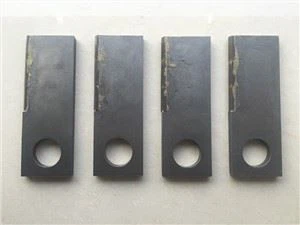
Excessive friction occurs when the Stump Grinder Teeth are dull or misaligned. Dull teeth have to work harder to cut through the wood, generating more heat in the process. Misaligned teeth can also cause uneven wear and tear, leading to increased friction and heat production.
High - load operations, such as grinding large stumps or hard - wood species, put a tremendous amount of stress on the grinder parts. The motor and other components have to work overtime, which can cause them to heat up rapidly.
Poor ventilation is another common culprit. If the air intake and exhaust ports of the stump grinder are blocked or restricted, the heat generated during operation cannot dissipate effectively. This trapped heat can cause the parts to overheat.
Lack of proper lubrication can also lead to overheating. Lubricants reduce friction between moving parts, such as the gears and bearings. Without sufficient lubrication, these parts rub against each other, creating heat and causing premature wear.
Preventive Measures
Regular Inspection and Maintenance
Regular inspection and maintenance are the keys to preventing overheating. Start by checking the Stump Grinder Teeth for sharpness and alignment. Dull teeth should be replaced promptly, and misaligned teeth should be adjusted. A sharp and well - aligned set of teeth will cut through the wood more efficiently, reducing friction and heat generation.
Inspect the Stump Grinder Pockets as well. These pockets hold the teeth in place, and any damage or wear can affect the performance of the teeth. Replace any damaged pockets to ensure a secure fit for the teeth.
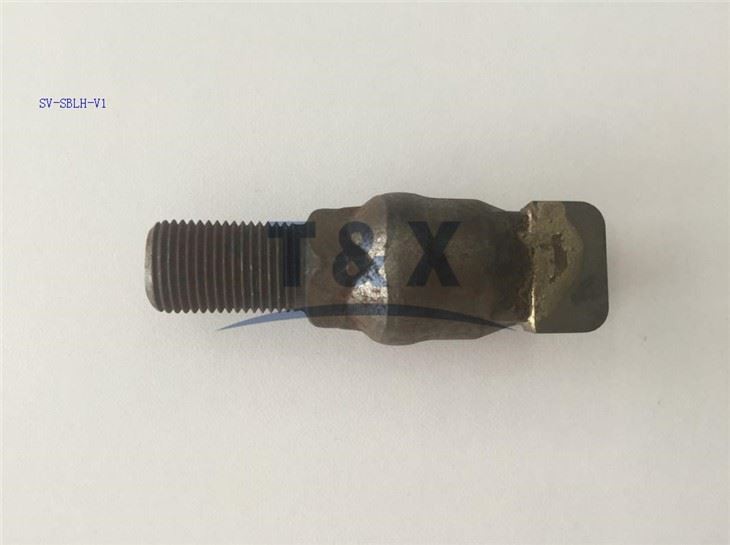
Check the Stump Grinder Bolts regularly. Loose bolts can cause vibrations, which increase friction and heat. Tighten all the bolts to the recommended torque specifications.
Lubrication
Proper lubrication is essential for reducing friction and heat. Follow the manufacturer's recommendations for the type and frequency of lubrication. Use high - quality lubricants that are specifically designed for stump grinders.
Lubricate all the moving parts, including the gears, bearings, and drive shafts. Make sure to clean the parts before applying lubricant to remove any dirt or debris that could cause abrasion.
Cooling Systems
Ensure that the cooling system of the stump grinder is working properly. Clean the air filters regularly to prevent blockages. A clogged air filter restricts airflow, reducing the cooling efficiency of the engine.
Check the radiator or cooling fins for any signs of damage or blockage. If the radiator is dirty, clean it using a soft brush or compressed air. In some cases, you may need to use a radiator cleaner to remove stubborn dirt and debris.
Load Management
Avoid overloading the stump grinder. Before starting a grinding job, assess the size and hardness of the stump. If the stump is too large or hard, consider using a larger or more powerful grinder. Overloading the grinder can cause the motor to overheat and damage other components.
Take breaks during long - term grinding operations. Continuous operation without breaks can cause the parts to overheat. Let the grinder cool down for a few minutes every hour or so, especially when working on large stumps.
Operator Training
Proper operator training is crucial for preventing overheating. Train operators on the correct use of the stump grinder, including how to start and stop the machine, how to adjust the cutting depth, and how to load the grinder properly.
Operators should also be aware of the signs of overheating, such as unusual noises, smoke, or a hot - to - the - touch engine. If they notice any of these signs, they should stop the machine immediately and allow it to cool down.
Importance of Using High - Quality Parts
Using high - quality stump grinder parts is essential for preventing overheating. Inferior parts may not be able to withstand the high - stress conditions of stump grinding, leading to premature wear and overheating.
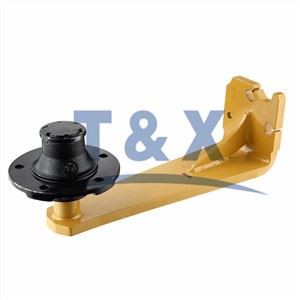
As a supplier of Stump Grinder Parts, I offer a wide range of high - quality Stump Grinder Teeth, Stump Grinder Pockets, and Stump Grinder Bolts. Our parts are made from high - grade materials and are designed to meet or exceed the industry standards. They are more durable, efficient, and less likely to overheat, ensuring a longer lifespan for your stump grinder.
Monitoring and Early Detection
Install temperature sensors on critical components of the stump grinder, such as the motor and bearings. These sensors can provide real - time temperature readings, allowing you to detect overheating early.
Set up an alarm system that alerts you when the temperature of a component exceeds a safe threshold. This early detection can help you take corrective action before the overheating causes serious damage to the parts.
Conclusion
Preventing overheating of stump grinder parts is essential for maintaining the efficiency and longevity of your equipment. By following the preventive measures outlined in this blog, such as regular inspection and maintenance, proper lubrication, load management, and using high - quality parts, you can significantly reduce the risk of overheating.
If you are looking for high - quality Stump Grinder Parts to ensure the optimal performance of your stump grinder, I am here to help. Contact me for more information on our wide range of products and to discuss your specific needs. We can work together to keep your stump grinder running smoothly and prevent overheating.

References
- "Stump Grinder Operation and Maintenance Manuals" from various manufacturers.
- Industry research on the causes and prevention of equipment overheating in the forestry and landscaping sectors.