
Hey there! As a supplier of flange parts, I've been in the game for quite a while, and I've seen firsthand the importance of getting the assembly of these parts right. So, I thought I'd share some insights on what the requirements are for flange part assembly.
1. Material Compatibility
First off, you gotta make sure the materials of the flange parts are compatible. Different applications call for different materials, and using the wrong ones can lead to all sorts of problems. For example, if you're working in a corrosive environment, you'll want to use a material that can withstand corrosion, like stainless steel.
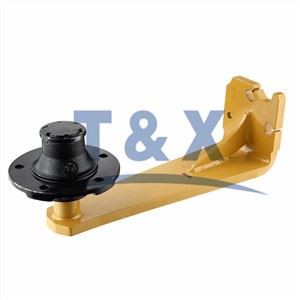
On the other hand, if weight is a concern, aluminum alloys might be a better choice. At our company, we offer a wide range of flange parts made from various materials to meet different needs. And we also have some other great products like the Trailer Wheel Hubs Forged Hub, which is made with high - quality materials and precision - forged for durability.
2. Dimension Accuracy
Accurate dimensions are crucial for proper flange part assembly. Even a small deviation can cause leaks, misalignment, or reduced performance. The flange's diameter, bolt hole size, and spacing need to be within the specified tolerances.
We use advanced CNC machining techniques to ensure the highest level of dimension accuracy in our flange parts. And it's not just about the flanges themselves; other components that will be connected to the flanges also need to have matching dimensions. For instance, our Aluminum Alloy Machined Boss is precisely machined to fit seamlessly with our flange parts, maintaining the overall integrity of the assembly.
3. Surface Finish
The surface finish of flange parts matters a lot. A smooth surface helps to create a better seal, reducing the risk of leaks. Rough surfaces can prevent a proper seal from forming, even if the other assembly requirements are met.
We pay close attention to the surface finish of our flange parts. After machining, we often perform additional finishing processes to achieve the desired smoothness. This not only improves the functionality of the parts but also enhances their appearance. And when it comes to related products like the Trailer Wheel Hubs Spindle, a good surface finish can also reduce friction and wear, extending the lifespan of the components.
4. Bolt Torque
When assembling flange parts, using the correct bolt torque is essential. If the bolts are not tightened enough, the flange connection may loosen over time, leading to leaks or even component failure. On the other hand, over - tightening the bolts can damage the flange or the bolts themselves.
We usually provide torque specifications for our flange parts to ensure proper installation. It's important to follow these guidelines carefully. A torque wrench is a must - have tool for this job, as it allows you to apply the exact amount of torque required.
5. Alignment
Proper alignment of the flange parts is another key requirement. Misaligned flanges can cause uneven stress distribution, which can lead to premature wear and failure. Before tightening the bolts, make sure the flanges are perfectly aligned.
We recommend using alignment tools, such as alignment pins or guides, to ensure accurate alignment. And during the assembly process, it's a good idea to check the alignment at multiple points to catch any potential issues early on.
6. Gasket Selection
The right gasket can make a huge difference in the performance of a flange assembly. Gaskets are used to create a seal between the flanges, preventing leaks. There are different types of gaskets available, each with its own properties and suitable applications.


For example, rubber gaskets are good for applications where flexibility is required, while metal gaskets are more suitable for high - pressure and high - temperature environments. We can help you choose the right gasket for your specific flange assembly based on the operating conditions and requirements.
7. Cleanliness
Before assembly, it's crucial to keep the flange parts clean. Any dirt, debris, or contaminants can interfere with the seal and cause problems down the line. Make sure to clean the surfaces of the flanges thoroughly using a suitable cleaning agent.
We also recommend inspecting the parts for any signs of damage or defects during the cleaning process. If any issues are found, the parts should be repaired or replaced before assembly.
8. Environmental Considerations
The environment in which the flange assembly will operate should also be taken into account. Factors such as temperature, pressure, humidity, and exposure to chemicals can all affect the performance of the flange parts.
For high - temperature applications, you'll need to use materials and gaskets that can withstand the heat. In a humid or corrosive environment, corrosion - resistant materials are a must. We have the expertise to help you select the right flange parts and assembly methods based on your environmental requirements.
9. Assembly Procedure
Having a well - defined assembly procedure is important. Everyone involved in the assembly process should be trained on the correct steps to follow. This includes the order in which the bolts should be tightened, the use of any special tools, and the inspection points during the assembly.
We can provide detailed assembly instructions with our flange parts to ensure that the assembly is done correctly. Following these procedures helps to minimize errors and ensure the long - term performance of the flange assembly.
10. Quality Control
Throughout the entire process, from material selection to final assembly, quality control is vital. We have a strict quality control system in place to ensure that all our flange parts meet the highest standards.
This includes in - process inspections, final inspections, and testing. We use a variety of testing methods, such as pressure testing, leak testing, and dimensional inspections, to ensure the quality and performance of our products.
In conclusion, flange part assembly is a complex process that requires attention to many details. By meeting all these requirements, you can ensure a reliable and long - lasting flange assembly. If you're in the market for high - quality flange parts or need help with your flange assembly project, don't hesitate to reach out to us. We're here to provide you with the best products and solutions to meet your needs. Whether you need standard flange parts or custom - made ones, we've got you covered. So, let's start a conversation about your flange part requirements and get the ball rolling on your project!
References
- "Mechanical Engineering Handbook" by Myer Kutz
- "Flange Design and Engineering" by various industry experts
- Manufacturer's specifications and guidelines for flange parts and related products.