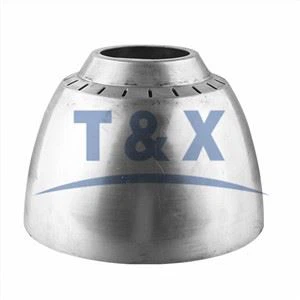

Agriculture cultivator points play a crucial role in modern farming operations. As a supplier of high - quality agriculture cultivator points, I am well - versed in the various aspects of these essential farming tools. In this blog, I will delve into what agriculture cultivator points are, their different types, functions, and the benefits they offer to farmers.


What are Agriculture Cultivator Points?
Agriculture cultivator points are the tips or blades attached to cultivators, which are agricultural machines used for tilling, loosening, and aerating the soil. These points are designed to penetrate the soil effectively, break up clumps, and prepare the land for planting. They come in a variety of shapes, sizes, and materials, each tailored to specific soil conditions and farming requirements.
Types of Agriculture Cultivator Points
- Tillage S Tine - Cultivator Tine
Tillage S Tine - Cultivator Tines are a popular type of cultivator points. These tines are typically made of high - strength steel and are designed in an S - shape. The S - shape allows for better penetration into the soil and helps in turning over the soil more efficiently. They are suitable for a wide range of soil types, from light sandy soils to heavier clay soils. You can find more information about Tillage S Tine - Cultivator Tine here. - Boron Steel or Alloy Steel Tillage Share Blade
Boron steel or alloy steel tillage share blades are another important type of cultivator points. These blades are known for their durability and resistance to wear. Boron steel is a high - strength steel that contains boron, which enhances its hardness and toughness. Alloy steel, on the other hand, is a combination of different metals, providing excellent performance in tough soil conditions. These share blades are used for cutting through the soil and can be adjusted to different depths depending on the farming needs. For more details on Boron Steel or Alloy Steel Tillage Share Blade, click here. - Carbide Insert Cultivator Points
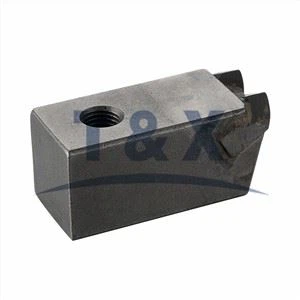
Carbide insert cultivator points are a more advanced type of cultivator points. They are equipped with carbide inserts, which are extremely hard and wear - resistant. Carbide is a compound of carbon and a metal, such as tungsten or titanium. These points are ideal for working in abrasive soils, as the carbide inserts can withstand the high levels of friction and wear. They offer a longer service life compared to traditional cultivator points. To learn more about Carbide Insert Cultivator Points, visit here.
Functions of Agriculture Cultivator Points
- Soil Preparation
One of the primary functions of agriculture cultivator points is to prepare the soil for planting. By breaking up the soil, they create a loose and aerated seedbed. This allows the seeds to germinate more easily and the roots to grow freely. The cultivator points also help in incorporating organic matter into the soil, which improves soil fertility. - Weed Control
Cultivator points can be used to control weeds. As they till the soil, they uproot the weeds and expose them to the air, which can lead to their desiccation. This reduces the competition for nutrients, water, and sunlight between the crops and the weeds. - Mixing Fertilizers and Amendments
When fertilizers and soil amendments are applied to the field, cultivator points can be used to mix them into the soil. This ensures that the nutrients are evenly distributed throughout the soil, providing a better growing environment for the crops.
Benefits of Using High - Quality Agriculture Cultivator Points
- Increased Efficiency
High - quality cultivator points are designed to work more efficiently. They can penetrate the soil more easily, reducing the amount of power required by the tractor. This leads to lower fuel consumption and increased productivity. - Longer Service Life
Cultivator points made from high - quality materials, such as boron steel or carbide, have a longer service life. This means that farmers do not have to replace them as frequently, reducing the overall cost of farming operations. - Improved Crop Yield
By preparing the soil properly and controlling weeds, high - quality cultivator points contribute to improved crop yield. The loose and aerated soil provides a better environment for root growth, and the reduced competition from weeds allows the crops to thrive.
Factors to Consider When Choosing Agriculture Cultivator Points
- Soil Type
The type of soil in your field is an important factor to consider when choosing cultivator points. Different soil types have different characteristics, such as texture, density, and moisture content. For example, light sandy soils require cultivator points that can penetrate easily, while heavy clay soils need points that are more robust and can break up the hard clumps. - Farming Practices
Your farming practices also play a role in the selection of cultivator points. If you are using no - till farming methods, you may need cultivator points that are designed for minimum soil disturbance. On the other hand, if you are using conventional tillage, you can choose points that are more aggressive in breaking up the soil. - Compatibility with Equipment
It is important to ensure that the cultivator points you choose are compatible with your agricultural equipment. This includes the type of cultivator, the size of the tines, and the mounting system. Using incompatible cultivator points can lead to poor performance and damage to the equipment.
Maintenance of Agriculture Cultivator Points
Proper maintenance of agriculture cultivator points is essential to ensure their optimal performance and longevity. Here are some maintenance tips:
- Regular Cleaning
After each use, clean the cultivator points to remove any soil, debris, or plant material. This helps to prevent corrosion and ensures that the points can penetrate the soil effectively. - Inspection
Regularly inspect the cultivator points for signs of wear, damage, or cracks. If any issues are detected, replace the points immediately to avoid further damage to the equipment. - Sharpening
Over time, the edges of the cultivator points may become dull. Sharpening the points regularly will improve their cutting performance and reduce the power required to till the soil.
Conclusion
Agriculture cultivator points are an indispensable part of modern farming. They come in various types, each with its own unique features and benefits. As a supplier of agriculture cultivator points, I understand the importance of providing high - quality products that meet the diverse needs of farmers. Whether you are looking for Tillage S Tine - Cultivator Tine, Boron Steel or Alloy Steel Tillage Share Blade, or Carbide Insert Cultivator Points, I can offer you the best solutions.
If you are interested in purchasing agriculture cultivator points, I invite you to contact me for a detailed discussion. We can explore the best options for your specific farming requirements and ensure that you get the most out of your investment.
References
- Smith, J. (2018). Agricultural Machinery Handbook. Publisher X.
- Johnson, A. (2020). Soil Management in Modern Farming. Journal of Agricultural Science, 15(2), 123 - 135.
- Brown, C. (2019). The Role of Cultivator Points in Soil Preparation. Agricultural Engineering Review, 8(3), 45 - 56.