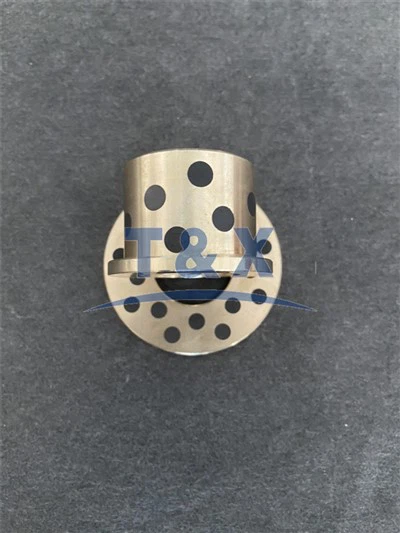

CNC machining has revolutionized the automotive industry, offering precision, efficiency, and versatility in producing high - quality parts. As a CNC machining parts supplier, I've witnessed firsthand how these parts are integral to various aspects of automotive manufacturing. Let's dive into the numerous applications of CNC machining parts in the automotive industry.
Engine Components
The engine is the heart of a vehicle, and CNC machining plays a crucial role in crafting its components. Cylinder heads, for example, are complex parts that require extremely precise machining. The intake and exhaust ports need to be accurately shaped to optimize air - fuel mixture intake and exhaust gas expulsion. CNC machining ensures that these ports have the right dimensions and smooth surfaces, which improves engine performance and fuel efficiency.
Pistons are another critical engine component. They need to fit perfectly within the cylinders to create an effective combustion chamber. CNC machining can produce pistons with tight tolerances, reducing friction and improving power output. Crankshafts, which convert the reciprocating motion of the pistons into rotational motion, also rely on CNC machining. The journals on the crankshaft must be machined to a high degree of accuracy to ensure smooth operation and reduce wear.
Transmission Systems
In the transmission system, CNC machining parts are essential. Gears are a prime example. Gears need to mesh precisely to transfer power efficiently from the engine to the wheels. CNC machining can create gears with accurate tooth profiles, which reduces noise, vibration, and wear. Whether it's a manual transmission, automatic transmission, or a continuously variable transmission (CVT), high - quality gears produced by CNC machining are vital for smooth gear shifting and reliable operation.
Another important part in the transmission is the clutch. The clutch plates and pressure plates need to be machined with precision to ensure proper engagement and disengagement. CNC machining allows for the creation of these parts with consistent thickness and smooth surfaces, which is crucial for the clutch's performance and longevity.
Suspension Systems
The suspension system is responsible for providing a comfortable ride and maintaining vehicle stability. CNC machining parts are widely used in this system. Control arms, for instance, connect the wheels to the vehicle's frame. They need to be strong and precisely machined to withstand the forces exerted during driving. CNC machining can produce control arms with the right shape and dimensions, ensuring proper alignment and handling.
Shock absorbers also contain CNC - machined parts. The piston rods and valves inside the shock absorbers need to be machined accurately to control the flow of hydraulic fluid. This, in turn, determines the damping characteristics of the shock absorber, which affects the vehicle's ride quality and handling.
Braking Systems
Safety is a top priority in the automotive industry, and the braking system is a key safety component. CNC machining parts are used extensively in braking systems. Brake calipers, which house the brake pads and squeeze them against the brake rotors to slow down or stop the vehicle, are often machined using CNC technology. The caliper bore needs to be machined to a high level of precision to ensure even pressure distribution on the brake pads.
Brake rotors also benefit from CNC machining. The surface of the brake rotor must be flat and smooth to provide consistent braking performance. CNC machining can achieve the required surface finish and dimensional accuracy, reducing brake noise and improving braking efficiency.
Steering Systems
The steering system allows the driver to control the direction of the vehicle. CNC machining parts are used in various components of the steering system. The steering rack and pinion, which converts the rotational motion of the steering wheel into linear motion to turn the wheels, requires precise machining. The teeth on the rack and pinion need to mesh accurately to provide smooth and responsive steering.
Steering knuckles, which connect the wheels to the steering system and suspension system, also rely on CNC machining. They need to be machined to the right shape and dimensions to ensure proper wheel alignment and steering control.
Specific CNC Machining Parts in the Automotive Industry
Now, let's take a look at some specific CNC machining parts that are commonly used in the automotive industry.
Hub Axles are an important part of the vehicle's wheel assembly. They support the weight of the vehicle and transfer the driving force from the differential to the wheels. CNC machining ensures that hub axles have the right strength and precision, which is crucial for safe and reliable operation.
Trailer Wheel Hubs Cast Hub and Trailer Wheel Hubs Forged Hub are used in trailers. These hubs need to be strong enough to support the weight of the trailer and its cargo. CNC machining can produce these hubs with accurate dimensions and high - quality surfaces, ensuring smooth rotation and long - term durability.
The Advantages of Using CNC Machining Parts in the Automotive Industry
One of the main advantages of using CNC machining parts in the automotive industry is the high level of precision. CNC machines can achieve tolerances as small as a few micrometers, which is crucial for parts that need to fit together perfectly. This precision leads to better performance, reduced wear, and improved reliability of the vehicle.
Another advantage is the repeatability. CNC machines can produce identical parts over and over again. This is important for mass - production in the automotive industry, as it ensures consistency in the quality of the parts. Whether it's producing a single part or thousands of parts, the quality remains the same.
CNC machining also offers a high degree of flexibility. The same CNC machine can be programmed to produce different parts by simply changing the program. This allows automotive manufacturers to quickly adapt to design changes or produce custom - made parts.
Conclusion
As a CNC machining parts supplier, I understand the importance of these parts in the automotive industry. From engine components to steering systems, CNC machining parts are everywhere in modern vehicles. They contribute to the performance, safety, and reliability of the vehicles we drive every day.


If you're in the automotive industry and looking for high - quality CNC machining parts, I'd love to have a chat with you. We can discuss your specific requirements and how our parts can meet your needs. Whether it's a small - scale project or a large - scale production, we're here to provide you with the best solutions.
References
- "Automotive Engineering Fundamentals" by David Crolla
- "CNC Machining Handbook" by Mark Albert
- Various technical papers on automotive manufacturing and CNC machining from industry conferences.