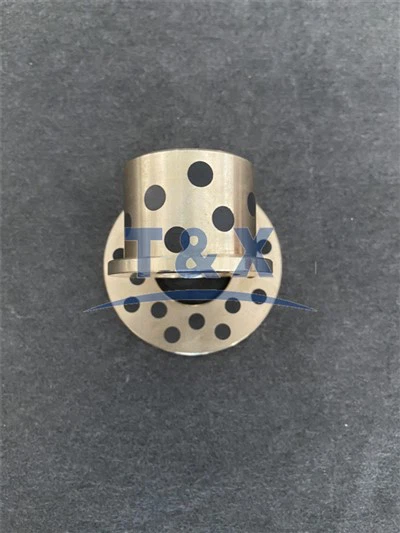

Hey there! As a supplier of flange parts, I've seen firsthand how crucial it is to get the installation right, especially in a corrosive environment. Corrosion can seriously mess up your flange parts and the whole system they're part of. So, let's dive into the installation precautions you need to take when dealing with flange parts in such a tough situation.
Material Selection
First off, picking the right material for your flange parts is super important. In a corrosive environment, you can't just go with any old material. You need something that can stand up to the corrosion. Stainless steel is a great choice. It has a high resistance to rust and other forms of corrosion. For example, 316 stainless steel contains molybdenum, which gives it even better corrosion resistance, especially in environments with chloride ions, like near the ocean or in some industrial settings.
Another option is alloy steel. Some alloy steels are specifically designed to resist corrosion. They can be a bit more expensive than regular steel, but the long - term benefits are worth it. When you're choosing the material, make sure to consider the type of corrosive agents present in the environment. Is it acidic, alkaline, or has a lot of salt? This will help you make the best decision. You can also check out our Hub Axles and Trailer Wheel Stamping Hub Housing for more examples of well - chosen materials in related parts.


Surface Treatment
Once you've got the right material, surface treatment can add an extra layer of protection. One common method is galvanizing. This involves coating the flange parts with a layer of zinc. Zinc acts as a sacrificial anode, which means it corrodes before the base metal. So, even if the surface gets scratched, the zinc will take the brunt of the corrosion.
Powder coating is another option. It creates a tough, durable finish that can resist corrosion. You can choose different colors and textures for powder coating, which can also be aesthetically pleasing. Before applying any surface treatment, make sure the surface of the flange parts is clean and free of dirt, grease, and rust. A proper surface preparation is key to getting a good - quality treatment.
Installation Environment Preparation
Before you start installing the flange parts, you need to prep the environment. Clean the area where the flanges will be installed. Remove any debris, dirt, or other contaminants. If the environment is wet, dry it as much as possible. Moisture can speed up the corrosion process, so keeping the area dry is essential.
Check for any signs of existing corrosion in the surrounding pipes or equipment. If there is corrosion, you may need to repair or replace the affected parts before installing the flanges. This will prevent the spread of corrosion to the new flange parts.
Gasket Selection
The gasket is a small but very important part of the flange installation. In a corrosive environment, you need to choose a gasket material that can resist the corrosive agents. For example, if the environment is acidic, a gasket made of fluorocarbon rubber can be a good choice. It has excellent chemical resistance.
Make sure the gasket is the right size and shape for the flange. A poorly fitting gasket can lead to leaks, which can expose the flange parts to the corrosive environment. When installing the gasket, be careful not to damage it. You can use a gasket lubricant to make the installation easier and to ensure a good seal.
Bolt and Nut Considerations
Bolts and nuts are used to hold the flanges together. In a corrosive environment, they are also at risk of corrosion. Choose bolts and nuts made of corrosion - resistant materials, such as stainless steel. Make sure to tighten the bolts evenly. Uneven tightening can cause stress on the flange, which can lead to leaks and premature failure.
You can also use anti - seize compounds on the bolts and nuts. These compounds can prevent the bolts from seizing up due to corrosion, making it easier to disassemble the flanges in the future if needed.
Installation Process
During the installation process, be gentle with the flange parts. Avoid dropping or hitting them, as this can damage the surface treatment and expose the base metal to corrosion. Align the flanges properly before tightening the bolts. Misaligned flanges can cause uneven stress and leaks.
Use the right tools for the job. A torque wrench is essential for tightening the bolts to the correct torque specification. This ensures that the flanges are held together securely without over - tightening, which can damage the parts.
Post - Installation Inspection
Once the flange parts are installed, do a thorough inspection. Check for any signs of leaks, such as wet spots around the flanges. Look for any visible damage to the surface treatment. If you find any issues, address them immediately.
Monitor the flange parts regularly, especially in the first few weeks after installation. This will help you catch any potential problems early and take corrective action.
Maintenance
Regular maintenance is crucial for the longevity of flange parts in a corrosive environment. Clean the flanges periodically to remove any accumulated dirt or corrosive substances. Check the surface treatment for signs of wear and tear. If the surface treatment is damaged, you may need to re - apply it.
Inspect the bolts and nuts for tightness. Over time, they may loosen due to vibration or thermal expansion. Tighten them if necessary. You can also check out our Trailer Wheel Hubs Spindle for more insights on maintenance of related parts.
Conclusion
Installing flange parts in a corrosive environment is not a simple task. It requires careful consideration of material selection, surface treatment, installation environment, gasket and bolt choices, and proper installation and maintenance procedures. By following these precautions, you can ensure that your flange parts last longer and perform better in a corrosive environment.
If you're in the market for high - quality flange parts or have any questions about their installation in a corrosive environment, don't hesitate to reach out. We're here to help you make the right choices and ensure a successful installation. Let's start a conversation about your procurement needs and find the best solutions for you.
References
- ASME B16.5 - Standard for Pipe Flanges and Flanged Fittings
- NACE International - Standards for Corrosion Control in Various Industries
- Manufacturer's Guidelines for Flange Parts Installation and Maintenance