
Well, folks, as a supplier of steel casting parts, I've seen firsthand how important safety precautions are in this industry. Steel casting is a complex process that involves high temperatures, heavy machinery, and potentially hazardous materials. So, let's dive into what you need to know to keep things safe during steel casting parts production.
Personal Protective Equipment (PPE)
First off, PPE is a must - have. Workers should never step into the production area without proper gear. Heat - resistant gloves are essential. When handling hot steel, regular gloves won't cut it. These heat - resistant ones protect the hands from burns and also provide a better grip on the hot materials.
Safety glasses are another key piece of PPE. Molten steel can splash, and even a tiny drop in the eye can cause serious damage. So, make sure the glasses are impact - resistant and have side shields.
Steel - toed boots are a no - brainer. In a factory full of heavy equipment and materials, there's always a risk of something falling on your feet. Steel - toed boots can prevent serious foot injuries.
And don't forget the fire - resistant clothing. It can protect the body from heat and potential splashes of molten steel. Workers should wear full - length shirts and pants made of fire - resistant materials.
Equipment Safety
The equipment used in steel casting parts production is powerful and dangerous if not properly maintained. Furnaces are the heart of the casting process, but they can be a major hazard. Regular inspections of the furnace are crucial. Check for any signs of wear, cracks, or malfunction in the heating elements and the lining. Make sure the temperature control system is working accurately because overheating can lead to explosions or other disasters.
Cranes and hoists are used to move heavy steel parts and molten metal. Before each use, these should be inspected for proper functioning of cables, hooks, and controls. The load capacity should never be exceeded. Overloading a crane can cause it to collapse, endangering everyone in the vicinity.
Molds also play a big part in the process. They need to be in good condition. Any cracks or defects in the molds can cause uneven casting or even explosions when the molten steel is poured in. Cleaning and maintaining the molds regularly can prevent such issues.
Chemical Safety
Steel casting involves the use of various chemicals. For example, fluxes are used to remove impurities from the molten steel. However, these chemicals can be harmful if inhaled or come in contact with the skin.


All chemical storage areas should be well - ventilated to prevent the build - up of fumes. Workers handling these chemicals should be trained on how to use them safely. They should know the proper procedures for mixing, handling, and disposing of the chemicals.
In case of a chemical spill, there should be a quick - response plan in place. Absorbent materials should be readily available to clean up the spill, and workers should know how to neutralize the chemicals to prevent further contamination.
Fire and Explosion Prevention
The production of steel casting parts is a high - risk environment for fires and explosions. Molten steel is extremely hot and can easily ignite flammable materials. So, all flammable substances should be stored away from the casting area.
Fire extinguishers should be placed strategically throughout the factory. Workers should be trained on how to use them effectively. In addition, automatic sprinkler systems can be installed to quickly suppress any fires that break out.
Explosion prevention is also crucial. The build - up of gases, such as hydrogen, can occur during the casting process. Proper ventilation systems should be in place to remove these gases and prevent explosive atmospheres from forming.
Training and Education
Proper training for all workers is the foundation of safety in steel casting parts production. New employees should undergo comprehensive training programs that cover all aspects of the production process, including safety procedures.
Regular refresher courses should be provided to keep workers updated on the latest safety standards and best practices. These courses can also include hands - on training on using equipment safely and responding to emergencies.
Safety signs and labels should be clearly visible throughout the factory. They should indicate potential hazards, safety procedures, and emergency exits.
Quality Assurance and Safety
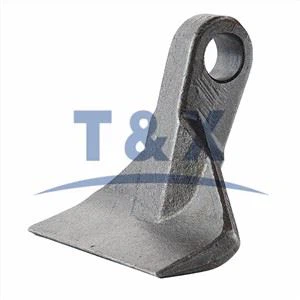
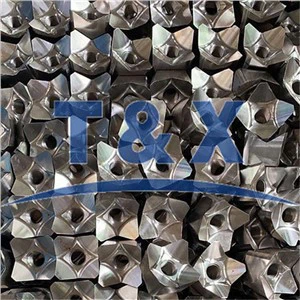
Quality assurance also ties in closely with safety. For example, consider our Lost Wax Casting Cross Bit & Lost Bit. High - quality casting ensures that the parts are free from defects that could cause safety issues later on. If a cross - bit is not cast properly, it could fail during use, leading to accidents.
The same goes for our Precision Cast Trailer Connector. A well - cast trailer connector is less likely to break or malfunction, which is crucial for road safety.
And our 42CrMo Alloy Steel Harden Fishtail Bit is a high - performance product. Quality casting ensures that the bit retains its strength and durability, reducing the risk of failure and potential safety hazards.
Contact for Purchase and Collaboration
If you're in the market for high - quality steel casting parts, we're here to help. We take safety seriously in every step of our production process, which ensures that you get top - notch products that meet your requirements. Whether you need cross - bits, trailer connectors, or fishtail bits, we've got you covered. Don't hesitate to reach out and start a conversation about your specific needs.
References
- "Industrial Safety Handbook" by John Doe
- "Steel Casting Technology and Safety" by Jane Smith
- "Chemical Safety in Manufacturing" by Tom Brown