
Hey there, fellow casting enthusiasts! As a supplier of Lost Wax Casting Parts, I've been knee - deep in the world of precision casting for years. One of the most common headaches we encounter in this field is porosity in lost wax casting parts. It's a real pain in the neck because porosity can seriously affect the quality and performance of our parts. So, today, I'm gonna share some tips on how to reduce the porosity in lost wax casting parts.
Understanding the Enemy: What Causes Porosity?
Before we jump into the solutions, let's first figure out what's causing this porosity. There are mainly three culprits in the lost wax casting process: gas porosity, shrinkage porosity, and inclusion porosity.
Gas porosity usually happens when gas gets trapped in the molten metal during the casting process. This can be due to factors like poor mold ventilation, moisture in the mold, or the presence of gasses in the metal itself.
Shrinkage porosity occurs when the molten metal contracts as it cools. If the metal can't flow properly to fill the space left by the contraction, it leads to small voids or pores.
Inclusion porosity is caused by impurities or non - metallic inclusions in the metal. These inclusions can prevent the metal from solidifying evenly, creating porosity.
Tips to Reduce Porosity
1. Optimize the Wax Pattern Design
The wax pattern is the starting point of the lost wax casting process. A well - designed wax pattern can go a long way in reducing porosity. Make sure the pattern has proper gating and risering systems. Gating is like the highway for the molten metal to flow into the mold, and risers act as reservoirs to supply extra metal during solidification.
For example, by placed the gates strategically, we can ensure the molten metal flows smoothly and evenly, reducing the chances of gas entrapment. Also, the shape and size of the risers should be carefully determined according to the size and shape of the casting [1].
2. Improve Mold Quality
The quality of the mold plays a crucial role in reducing porosity. First, we need to ensure the mold has good ventilation. This can be achieved by using porous mold materials or creating vents in the mold. As I mentioned earlier, poor ventilation can lead to gas porosity.
We also need to keep the mold dry. Moisture in the mold can react with the molten metal, producing hydrogen gas which gets trapped in the casting. So, proper drying and storage of the molds are essential.

3. Refine the Metal Melting Process
The way we melt the metal can significantly impact porosity. We should use high - quality metal raw materials to reduce the presence of impurities. During the melting process, proper degassing techniques should be employed. For instance, using fluxes can help remove gasses and impurities from the molten metal.
Controlling the melting temperature is also vital. If the temperature is too high, the metal can absorb more gasses, while a temperature that's too low may result in poor fluidity and incomplete filling of the mold.
4. Control the Pouring Process
The pouring process is another critical step. We need to pour the molten metal at a proper speed. A too - fast pour can cause turbulence, which traps gas in the metal. On the other hand, a too - slow pour can lead to premature solidification and uneven filling.
The pouring temperature is also important. It should be within the optimal range to ensure good fluidity without excessive gas absorption.
Real - World Examples
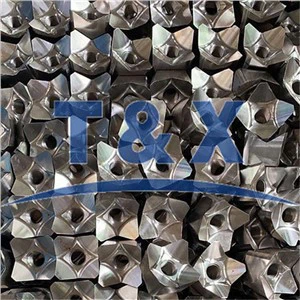
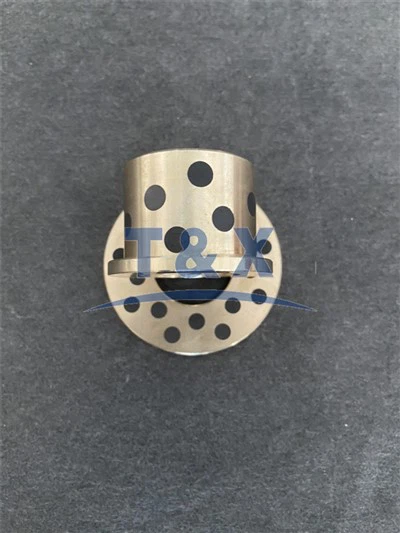
Let's take a look at some of the products we offer to see how these principles work in practice. We have the Precision Cast Trailer Connector. This part requires high precision and reliability. By following the above - mentioned steps, we've been able to reduce porosity significantly, ensuring the quality and performance of the trailer connector.
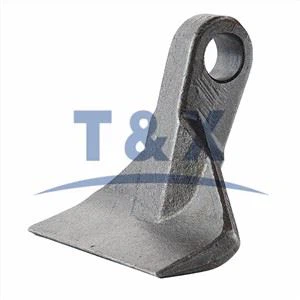
Another example is our Cast Flail Cutter. The flail cutter is subjected to high - stress conditions during operation. Porosity can weaken the part and lead to premature failure. Through careful control of the casting process, we've managed to minimize porosity and improve the overall durability of the flail cutter.
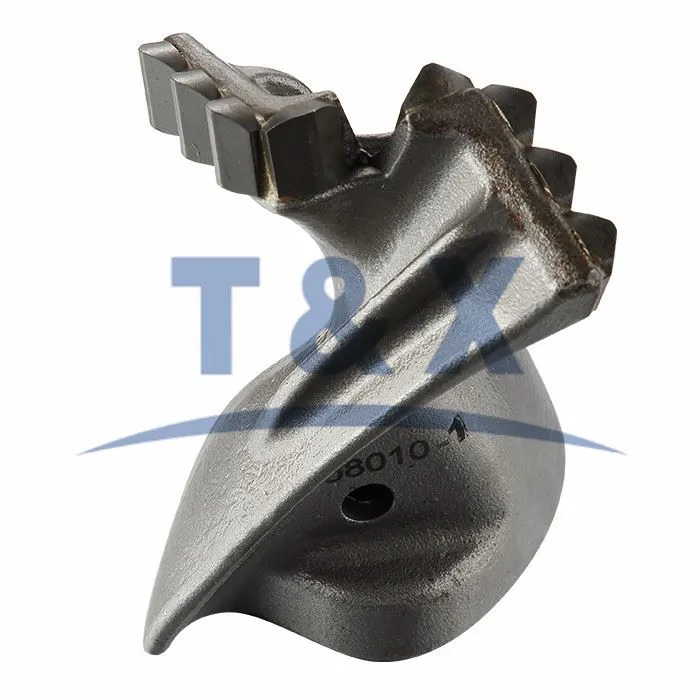
We also have the 42CrMo Alloy Steel Harden Fishtail Bit. This bit is used in demanding drilling applications. Reducing porosity in this part is crucial for its strength and wear resistance. Our strict quality control measures in the casting process have helped us achieve high - quality fishtail bits with low porosity.
Conclusion
Reducing porosity in lost wax casting parts is a multi - step process that requires attention to every aspect of the casting operation, from wax pattern design to the final pouring. By understanding the causes of porosity and implementing the right techniques, we can produce high - quality casting parts with minimal porosity.
If you're in the market for high - quality lost wax casting parts, don't hesitate to reach out for a procurement discussion. We're here to provide you with top - notch products and excellent service!
References
[1] Campbell, J. (2003). Castings. Butterworth - Heinemann.