
Hey everyone, it’s Jake from Disc Harrows Supply Co. – I get this question all the time from farmers, side-growers, and even backyard homesteaders who wake up one morning to find their disc harrow acting like it’s been through a rock field when they just spent a week prepping their plot for spring. Today we’re breaking down if you can fix a damaged disc harrow yourself, what tools you actually need, when to call in a pro, and where to grab the parts you might need to get the job done. No stuffy farm jargon, just real talk from someone who’s worked on these machines (and seen way too many botched repair jobs that cost folks more than just hiring help in the first place).
First off, let’s get one thing straight: disc harrows aren’t rocket science, but they’re not a pair of work gloves and a hammer either. The answer to “Can I do this myself?” is… it depends. Like, if your only issue is a bent sweep or a loose pin? 100% DIY, no problem. But if the main discs themselves are cracked, or the main frame is twisted so bad it won’t line up? That’s where I’d pause and think twice, because messing with that can turn a small fix into a whole new harrow you didn’t plan for.
Let’s start with the most common damages, because 9 times out of 10, that’s what folks are dealing with. First up: bent discs. Maybe you hit a big rock half-buried in the field, or a tree root you missed. A bent disc might look scary, but straightening it isn’t too hard if it’s only a small bend. Wait, hold on – let’s be real: if the bend is so big it looks like a potato chip, skip straight to replacing it. But a tiny, 1-inch kink? Grab a hydraulic jack, a stack of wood blocks, and a big metal bar (like a 4-foot pry bar, not your husband’s old tire iron) and you can slowly bend it back into shape. Pro tip: don’t heat the disc unless you know what you’re doing – disc harrow discs are tempered steel, and heating them messes with their hardness, making them wear out way faster later. Yeah, I’ve seen someone do that once and they were back calling me for a new disc 2 months later.
Next, loose or worn parts. This is probably the easiest fix for most DIYers. The pins that hold the discs to the frame can work loose over time – all you need is a wrench to tighten them, or a new pin if it’s bent or snapped. Then there are the sweeps, those little curved metal pieces that cut through the soil right ahead of the discs. Sweeps take a beating, right? They hit rocks, get covered in mud, and wear down until they stop cutting evenly. If your sweeps are worn thin or bent, you can replace them yourself in an afternoon. Just make sure you get the right size for your harrow – not all sweeps are universal. If you need new sweeps, we stock solid ones that are made to last, check out our Sweep Seed Drill Parts here: [/agriculture-machinery-parts/agriculture-tillage-parts/sweep-seed-drill-parts.html] – these are designed to fit most standard disc harrows and seed drills, so no guesswork for you.
Then there’s the cultivator attachments – if you’ve got a harrow that has extra tines or attachments for different soil types, those are another common spot for damage. Tines can bend, snap, or get rusted solid. For minor bends, a big pipe over the tine (to give you leverage) will straighten it. If it’s broken, replacing a single tine is usually super straightforward – just remove the old bolt, slide in the new one, and tighten it down. Our Cultivator Attachments page has all the tines and brackets you’ll need for these add-ons, so you don’t have to hunt around for mismatched parts that won’t work.
Now, let’s talk about the stuff that’s probably better left to a pro, because this is where most DIYers go wrong. First: twisted or cracked main frame. Disc harrow frames are made to take a beating, but hitting a huge boulder or getting backed into a fence can twist them. Fixing that requires precise welding and alignment – if you just weld it straight without getting the frame perfectly level, your harrow will pull lopsided, leave patches of unbroken soil, and actually wear out the discs faster, costing you more in fuel and replacement parts down the line. Another one: worn disc bearings. If the discs are wobbly when you spin them, that’s the bearings – don’t just guess at replacing them, because getting the bearing size wrong will cause friction, overheating, and eventually snap the axle. And finally, major disc damage: if a disc is cracked all the way through, or has chunks missing from the edge, replacing it is better than trying to weld it. Welding a cracked disc won’t hold up under pressure, and it’ll vibrate so bad it could actually mess up your whole harrow’s frame.
Wait, let’s circle back to tools, because you can’t fix anything without the right gear. What do you need for a basic disc harrow repair? First, a good set of wrenches – not the cheap ones from the auto parts store that round off after one use, invest in a ½-inch drive set, because those big bolts on disc harrows are no joke. A hydraulic jack and jack stands (safety first, people – never work under something only held up by a jack). A hammer, a sledgehammer for those stubborn pins, and a pry bar (the bigger the better, 3 to 4 feet long). If you’re replacing tines or sweeps, you might need a bolt cutter or a socket set, and if you’re doing any welding, a MIG welder works for most small fixes, but again, only if you know how to use it properly.
Now, step-by-step for a basic DIY fix, so you have a concrete example. Let’s say you’ve got a bent sweep on the leading side of your disc harrow, and a loose pin holding a disc. First, clear the area around your harrow – no rocks, no tools lying around, because you’re gonna be moving heavy parts. Jack up the side of the harrow that has the damaged part, and secure it on jack stands – double-check that it’s stable before you crawl under, I can’t stress that enough. Next, for the bent sweep: if it’s slightly bent, you can just loosen the bolts holding it, bend it back with your hands or a pry bar (use a piece of wood as a spacer so you don’t scratch the metal), then retighten. If it’s really bent, or worn down, use a wrench to remove the bolts, slide the old sweep off, and put a new one on. That’s where that Sweep Seed Drill Parts link comes in – our sweeps are pre-sized to fit most standard models, so you just grab the one matching your old one, no measuring required. Then, for the loose pin: use a sledgehammer to tap the pin out, check if it’s bent or rusted – if it’s just loose, tighten the bolt on the pin (if it has one), if it’s damaged, replace it with a new one, tap it back in, and you’re done. That whole job took me about an hour last week when my dad’s harrow got banged up – super doable for anyone who’s used a wrench before.
But when is DIY a bad idea? Let’s use an example: last month a guy brought me his disc harrow that he tried to fix himself because he thought the frame was “just a little twisted.” He welded it straight, but he didn’t align the disc gang, so when he pulled it behind his tractor, the harrow veered to the right, he had to lean on the steering wheel the whole time, and after 10 acres, one of the main discs cracked right down the middle. He ended up needing a new frame and two new discs, which cost him 3 times what it would’ve if he called me first. So if you’re dealing with the frame, major disc damage, bearings, or anything that requires precise alignment, save your time, your money, and your sanity – call a local ag mechanic, or hit us up for parts if you’re only needing replacements.
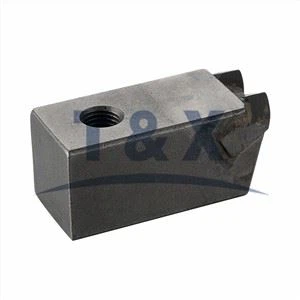
Now, for the parts that last longer, the ones that see heavy use, we’ve got some top picks for when you do need to replace them. If your discs are worn, or you need new earth preparation cutters for a different soil type, our Forged Wear Resistant Earth Preparation Cutter is perfect – these are forged from high-strength steel, so they don’t wear down as fast as standard cutters, even in rocky soil. We also have Tillage Arms if you need to replace the arms that hold the disc gangs, those are heavy-duty too, made to handle the pressure of hard tilling, no bending under regular use.


Wait, let’s address the elephant in the room: why would I, a disc harrow supplier, tell you not to DIY if the repair is too big? Because I’d rather you be happy with a repair that actually works, than have you come back a month later needing to replace half your harrow because you tried to do too much. I’ve been selling disc harrows and parts for 12 years, and I’d rather have a customer who calls me to fix a small thing every few months than someone who ruins a good machine because they thought it was simpler than it is.
Also, a quick maintenance tip that’ll save you from needing repairs in the first place – I see this all the time. After every use, power wash your disc harrow. Mud and caked-on soil eat away at metal, cause bolts to rust solid, and make parts wear faster. Lubricate all the pins and bearings every season, before you put the harrow away for winter. Check for loose bolts before you start a new field – that 5 minutes of checking can save you an hour of fixing a bent part later.
So to wrap this up: Yes, you can repair many common disc harrow damages yourself, especially small bends in sweeps, loose pins, or worn tines. Just make sure you’ve got the right tools, know your limits, and don’t be afraid to ask for help if something feels off. If you need replacement parts for your disc harrow, seed drill, cultivator, or any other tillage equipment, we’ve got you covered – from sweeps to cultivator attachments to heavy-duty cutters, all designed to fit standard models and last. If you have questions about a specific repair, or want to order parts, just reach out to our team. We’re here to help you get your harrow working right, so you can spend less time fixing and more time growing.
References
- Agricultural Tillage Equipment Repair and Maintenance Guidelines, National Agricultural Machinery Association, 2022
- Disc Harrow Part Compatibility and Replacement Tips, Farm Equipment Journal, Vol. 18, No. 3, 2021
- DIY vs Professional Agricultural Repair: Cost and Time Analysis, AgriTech Solutions, 2023