
Hey there, if you’re here, chances are you’ve got a fully beat-up trencher part staring at you, thinking, “What the hell do I even do with this?” As someone who’s run a trencher parts supplier for the last 12 years, I’ve seen way too many of these worn-out parts end up in landfills because folks just don’t know there’s a better way. Let’s cut the crap—this isn’t rocket science, but it’s way more important than tossing something that’s probably got valuable stuff in it. Let’s break this down like we’re chatting over a coffee (or a job site break, let’s be real).
First off, let’s be clear: I’m not talking about a part that’s slightly scuffed or just needs a quick fix. We’re talking about a completely worn-out trencher part—one where the teeth are so gone you can see the metal base, the chain is stretched so bad it’d never grip right again, the hard facing or carbide is totally fried. These parts aren’t just “metal garbage” — there’s stuff in them that can be recycled, reused, or even kept out of the landfill, which is a win for everyone. Let’s start with the most common offenders, because those are the ones I hear about most from my customers. Like, for example, trencher chain — I’ve seen hundreds of these come back from job sites, all rusted, stretched, and ready to retire. Wait a sec, if you’re needing a replacement while you sort out the old one, check out our trencher chain page for real durable stuff that won’t give out mid-job. Yeah, that’s a plug, but it’s relevant—because we know you hate downtime.
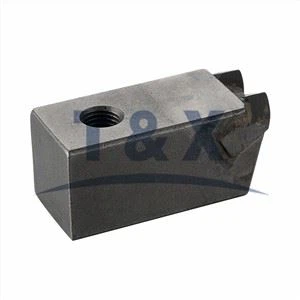
So, step one for any completely worn-out trencher part: identify what it’s made of, ’cause that changes everything. A lot of folks don’t realize these parts aren’t just plain steel. There’s two big ones on trencher teeth—hard faced and carbide. Let’s say you’ve got a worn-out trencher hard faced tooth; that has a layer of hard surface welding (the stuff that makes it last against dirt and rock) on a steel base. Then there’s trencher carbide teeth, which have that super hard carbide tip (like tiny diamond-adjacent stuff, basically) embedded in a steel body, designed to take the worst abuse. Both of these have way more value than you think, but only if you process ’em right.
First up, let’s talk about recycling—this is the most common, and most practical, option for 90% of these parts. But not just tossing ’em in the blue bin (trust me, your city’s curbside probably doesn’t take trencher parts). You can’t just toss a whole trencher tooth in with your aluminum cans; the carbide and hard facing will mess with the recycling process, and scrap yards won’t touch it if it’s not sorted. Here’s what I tell my regulars: if it’s mostly steel (like a trencher chain, which is almost all steel links), take it to a local metal scrap yard. Most of these guys will pay you a few bucks for it, which is better than paying landfill fees. But if it’s got that carbide tip or hard facing on it—wait, don’t just lump it in with the steel. Those carbides are rare metals, and they’re worth way more than plain steel. Some scrap yards specialize in hard metals, but if you’re not sure, hit up a trencher parts supplier like me (shameless, I know) or a local industrial recycling center—they can point you to the right place. For example, when we send out new trencher carbide teeth to customers, we always mention that if the old carbide ones are beyond repair, don’t toss ’em—we can even take them back sometimes, or tell you where to send ’em for recycling. That’s a little side service we started a few years back, and it’s saved our customers hundreds of bucks in scrap fees, plus kept a ton of metal and carbide out of landfills.
Then there’s the “don’t recycle” options, because some parts are actually still useful in a weird way, even if they’re too worn for their original job. Let’s say you’ve got a trencher tooth that’s so worn down it can’t dig anymore, but the steel part is still solid—maybe 80% of it’s good, just the tip’s gone. Could you repurpose it? I’ve seen guys use old trencher chain links as hooks on their job site trailers, or bend a worn hard faced tooth into a pry bar. It’s not going to make you rich, and it’s not going to work for digging, but it’s a way to get a little more life out of something that would’ve been trash. But here’s the caveat: only do this if the part isn’t corroded through or broken. If it’s rusted so bad it’s got holes, don’t risk using it—you don’t want that thing snapping mid-pry and hurting yourself. Safety first, always.
Now, let’s talk about the mistakes I see people make all the time. First, tossing these parts in a regular landfill—this is the big one. Trencher parts have heavy metals, right? Steel, sometimes chrome in the hard facing, definitely carbide which is tungsten-based. If they end up in a landfill, those metals can leach into the soil and water, which is bad for the environment. Most cities now have rules about industrial waste like this, and some will actually fine you for tossing big metal parts in residential dumpsters. Don’t be that guy. Second, not sorting the parts before recycling. I had a customer last year who tossed a whole box of worn trencher carbide teeth into a pile of regular steel scrap. The scrap yard had to pay extra to separate the carbides, so they gave him half what they should’ve. He was pissed, and so was I, because we’d told him to sort them. That’s why it’s worth the 5 minutes to figure out what’s in the part before you haul it somewhere.
Wait, let’s circle back to trencher chain, since that’s such a common part. Worn trencher chain is almost entirely steel, but if it’s been out in the mud and salt (we’ve all had job sites where it rains for a week), it’s rusted, but that doesn’t mean it’s worthless. Scrap yards love rusty steel—they melt it down anyway, so the rust doesn’t matter. The only thing to watch for is if the chain has any other parts, like plastic retainers or rusted bolts. Take those off first, because plastic can mess with the recycling furnace, and bolts might be a different metal. Just unclip whatever you can, toss that plastic in the regular trash, and take the chain to the scrap yard. Easy peasy. For comparison, if you need a new chain that’s built to last even the harshest job sites, you can check out our trencher chain page for options that won’t wear out as fast, so you have less of this problem in the future. That’s the proactive part, right?
What about if the part is broken, not just worn? Like, a trencher tooth that snapped clean off, or a chain link that’s sheared in two. Same rules apply—identify the metal, sort it, recycle it. But if it’s really broken, don’t try to weld it back on unless you know what you’re doing. A friend of mine once tried to fix a broken trencher chain link with a welder, and it snapped again mid-job, almost taking his coworker’s hand off. Don’t risk that. If it’s broken beyond use, recycle it.
Another thing: some parts can be refurbished, but only if they’re not too worn. Wait, we mentioned completely worn-out parts, so refurb is probably off the table here, but I should mention it just in case. If you’ve got a trencher hard faced tooth that’s just a little worn (not completely gone), you can send it to a shop that re-applies the hard facing, and it’s like new. Same with carbide teeth—some shops will re-tip them with new carbide. But again, this is for parts that are still mostly intact, not the ones we’re talking about here. For completely worn-out, refurb isn’t feasible—recycle is the way to go.
Let me give you a quick step-by-step that I print out and give to every new customer: 1. Stop and look at the part. Is it mostly steel? Does it have carbide or hard facing? 2. If it’s all steel: take to local scrap metal yard, pull off any non-metal bits (plastic, rubber) first. 3. If it has carbide/hard facing: sort those separate from plain steel, take to an industrial recycling center or a scrap yard that takes hard metals. 4. If you’re not sure: hit up your trencher parts supplier (that’s me, by the way) and ask—we know the drill. 5. Don’t toss in the landfill. Ever.
Now, if you’re in a pinch, or you’ve got a whole bunch of these parts, what do you do? We started a small take-back program at my parts company a couple years back. If a customer sends us their completely worn-out trencher teeth (carbide or hard faced) or chain, we either recycle them ourselves or partner with a metal refinery that pays us for them, and we pass a little of that savings back to the customer in the form of a discount on their next order. It’s not a cash-for-gold thing, but it’s a way to get rid of the parts without the hassle of finding a scrap yard, and it’s better for the planet. I always tell folks, “Why toss a part that’s got valuable metal when we can turn it into a new part for you later?” That’s the circle of life, job site style.
Wait, let’s touch on safety, because this is big. When you’re handling these worn-out parts—especially if they’re rusted, sharp, or covered in mud—wear work gloves. I’ve cut my hand on a rusted trencher chain link more times than I can count, and it’s not fun. Also, if you’re hauling these parts to a scrap yard, make sure they’re secured in your truck or trailer so they don’t fall off on the road. Nobody wants to be the guy whose broken trencher tooth lands in the middle of the highway.


Let’s wrap this up with what I want you to take away. A completely worn-out trencher part isn’t trash. It’s a pile of metal that can be recycled, saved from the landfill, and maybe even turned into something new someday. The key is to not just toss it—take 10 minutes to figure out what it’s made of, sort it, and get it to the right place. If you’re not sure, hit up your local trencher parts supplier, and if you’re looking for a reliable replacement for that worn-out chain or teeth, check out our links: trencher chain for all your chain needs, trencher hard faced teeth if you go that route, or trencher carbide teeth for the toughest digs.
And hey, if you’ve got a bunch of old parts, or you just have questions about disposing of them, don’t be a stranger. Hit us up to chat—we’re not just here to sell you new parts, we’re here to help you get rid of the old ones the right way. No stuffy sales pitches, just real talk for folks who work on job sites and don’t have time for extra headaches.
References:
- Institute of Scrap Recycling Industries. (2022). Industrial Metal Recycling Guidelines for Construction Equipment Parts. Retrieved from industry recycling standards database
- Occupational Safety and Health Administration. (2021). Hazardous Waste Disposal for Construction Tools and Equipment. Retrieved from OSHA workplace safety resources
- Trenching Association of North America. (2023). Sustainable Practices for Trenching Equipment Maintenance and Disposal. Retrieved from TANA operational best practices guide
- U.S. Environmental Protection Agency. (2022). Reducing Industrial Landfill Waste Through Metal Recycling. Retrieved from EPA Construction Sector Sustainability Reports