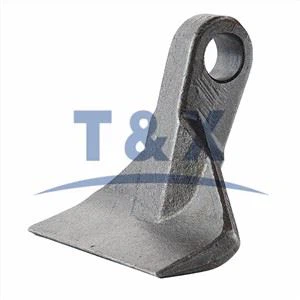

Hey there! I'm a supplier of Road Milling Bits, and today I want to dig into a question that's been floating around: Can road milling bits be used for milling bus lanes?

First off, let's understand what road milling bits are. Road milling bits are essential tools in the road construction and maintenance industry. They're designed to cut through various road surfaces, like asphalt and concrete, to remove old layers, smooth out rough patches, or create a new surface for resurfacing. These bits come in different shapes, sizes, and materials, each tailored to specific road conditions and milling requirements.
Now, let's talk about bus lanes. Bus lanes are dedicated lanes on the road for buses only. They're crucial for improving public transportation efficiency, reducing traffic congestion, and enhancing safety for bus passengers. Over time, bus lanes can get worn out due to the constant traffic of heavy buses. This wear and tear can lead to potholes, uneven surfaces, and other issues that need to be addressed.
So, can road milling bits be used for milling bus lanes? The short answer is yes, but there are some factors to consider.
Compatibility with Bus Lane Surfaces
Most bus lanes are made of asphalt, which is a common surface that road milling bits are well - suited for. Asphalt is a mixture of aggregates and bitumen, and road milling bits can effectively cut through it. The Asphalt Milling Bits we offer are specifically designed to handle asphalt surfaces. They have sharp cutting edges that can break up the asphalt quickly and efficiently, making them a great choice for milling bus lanes.
However, some bus lanes might have a different surface, like concrete. In this case, you'll need to use road milling bits that are designed for concrete surfaces. These bits are usually made of harder materials, like tungsten carbide, to withstand the high abrasion of concrete. Our range of road milling bits includes options for both asphalt and concrete surfaces, so you can choose the right bit depending on the type of bus lane you're working on.
Milling Requirements for Bus Lanes
Bus lanes have specific milling requirements. For example, the depth of milling needs to be carefully controlled. If you mill too deep, it can damage the underlying structure of the road, and if you mill too shallow, it might not remove all the damaged layers. Our road milling bits are designed to provide precise control over the milling depth. They can be adjusted to mill at different depths, ensuring that you can achieve the desired results for the bus lane.
Another important factor is the width of the bus lane. Bus lanes come in different widths, and you need to choose the right size of road milling bit to cover the entire width efficiently. Our bits come in various sizes, so you can select the one that matches the width of the bus lane you're working on.
Cost - effectiveness
Using road milling bits for bus lane milling can be cost - effective. Milling is a more efficient way of removing old road surfaces compared to other methods, like full - depth removal. It requires less time and labor, which can save you money in the long run. Our road milling bits are designed to be durable, so they can last for a long time, reducing the need for frequent replacements. This also contributes to cost savings.
Safety Considerations
Safety is always a top priority when it comes to road construction and maintenance. When using road milling bits for bus lane milling, it's important to follow all safety regulations. Make sure the milling equipment is in good working condition, and the operators are properly trained. Our road milling bits are designed with safety in mind. They have features like anti - kickback mechanisms and vibration - reducing designs to ensure the safety of the operators.
Real - world Examples
I've seen many successful projects where road milling bits were used to mill bus lanes. In one project, a city was facing issues with a worn - out bus lane. The surface was full of potholes and unevenness, which was causing problems for the buses. The contractor used our road milling bits to mill the bus lane. They were able to remove the damaged layers quickly and efficiently, and then resurface the lane. After the project, the bus lane was smooth and safe for the buses to use, and the traffic flow improved significantly.
Conclusion
In conclusion, road milling bits can definitely be used for milling bus lanes. They offer a cost - effective, efficient, and safe way to maintain and improve bus lane surfaces. Whether you're dealing with an asphalt or concrete bus lane, our range of road milling bits has the right solution for you.
If you're in the market for high - quality road milling bits for your bus lane milling projects, I'd love to talk to you. We can discuss your specific requirements, and I can help you choose the best bits for your job. Don't hesitate to reach out for a consultation and let's start working together to make your bus lane projects a success.
References
- Road Construction Handbook: Covers general information about road milling and different types of road surfaces.
- Asphalt Pavement Association Publications: Provides in - depth knowledge about asphalt milling and its applications.
- Concrete Industry Reports: Contains information about milling concrete surfaces for road construction.