
Do steel wear parts rust easily? Well, that's a question I get asked a lot as a supplier of Steel Wear Parts. Today, I wanna take some time to dig deep into this topic and share some insights based on my experience in the industry.
First off, let's understand what rust is. Rust is basically the result of a chemical reaction called oxidation. When iron in steel reacts with oxygen in the presence of water or moisture, iron oxide (rust) forms. So, whether steel wear parts rust easily depends on several factors.
Composition of the Steel
One of the key factors is the type of steel used. Different steels have different compositions, and these compositions play a huge role in determining their resistance to rust. For example, stainless steel contains chromium, which forms a thin, protective layer on the surface of the steel. This layer acts as a barrier, preventing oxygen and moisture from reaching the iron in the steel. As a result, stainless - steel wear parts are much less likely to rust compared to regular carbon steel parts.
At our company, we offer a variety of steel wear parts made from different types of steel. Take our 42CrMo Alloy Steel Harden Fishtail Bit for example. The 42CrMo alloy steel has excellent mechanical properties and a relatively good resistance to corrosion. The addition of chromium and molybdenum helps in forming a more stable and protective surface layer, reducing the chances of rusting. But it's not completely rust - proof. If it's exposed to harsh environments with high moisture and aggressive chemicals for a long time, it can still develop rust.
Surface Treatment
Another important factor is the surface treatment of the steel wear parts. There are several ways to treat the surface of steel to enhance its rust resistance. One common method is galvanization. Galvanized steel has a layer of zinc coating on its surface. Zinc is more reactive than iron, so when the part is exposed to the environment, the zinc corrodes first, protecting the underlying steel from rusting.


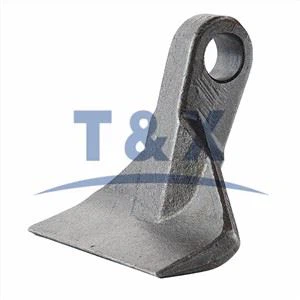
We also use other surface treatments like painting and powder coating. For our Cast Flail Cutter, we sometimes apply a high - quality paint finish. The paint acts as a physical barrier, preventing moisture and oxygen from coming into contact with the steel. This significantly reduces the risk of rust formation. However, if the paint is scratched or damaged, the exposed steel can start to rust.
Environmental Conditions
The environment where the steel wear parts are used or stored is a major determinant of how easily they rust. In a dry, indoor environment, the risk of rust is relatively low. There's not much moisture around to trigger the oxidation reaction. But in a humid or coastal area, the story is different. The high humidity, coupled with the salt in the air in coastal regions, can speed up the rusting process.
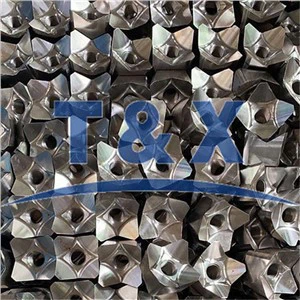
For example, if you use our Lost Wax Casting Cross Bit & Lost Bit in a marine environment, it will be more prone to rusting. The saltwater spray and high humidity create a very corrosive environment. Even with proper surface treatment, regular maintenance and inspection are necessary to ensure the parts stay in good condition and don't rust.
Maintenance and Care
Proper maintenance can greatly affect the rust resistance of steel wear parts. Regular cleaning is essential to remove dirt, debris, and any corrosive substances that may be on the surface. After cleaning, it's important to dry the parts thoroughly, especially if they've been in contact with water.
Lubrication can also help. Applying a suitable lubricant can create a thin film on the surface of the steel, preventing moisture from reaching it. And if you notice any signs of rust, like small spots, it's best to address them immediately. You can use a rust remover to clean the affected area and then apply a protective coating to prevent further rusting.
Conclusion
So, do steel wear parts rust easily? It's not a straightforward yes or no answer. It depends on the composition of the steel, the surface treatment, the environmental conditions, and how well the parts are maintained.
At our company, we strive to provide high - quality steel wear parts. We use the best materials and apply appropriate surface treatments to enhance the rust resistance of our products. But we also understand that to keep the parts in top - notch condition, proper use, storage, and maintenance are crucial on the part of the customers.
If you're in the market for steel wear parts, and want to know more about how to prevent rust or which parts are best suited for your particular application, feel free to reach out. We're here to help you make the right choice and ensure you get the most out of our products. Don't hesitate to contact us for more information and to start the procurement process.
References
- "Corrosion of Metals: An Introduction" by Robert W. Revie
- "Steel and its Alloys: Properties and Applications" by John D. Boyer