
Hey there, drilling enthusiasts! As a supplier of Drag Bits, I've had my fair share of conversations about how these bits stack up against roller cone bits. Today, I'm gonna break down the differences, advantages, and disadvantages of both, so you can make an informed decision for your drilling projects.
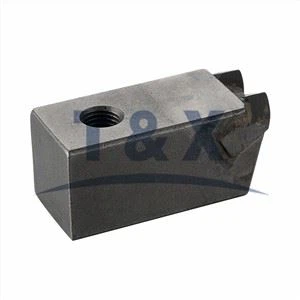
Let's start with the basics. Roller cone bits have been around for ages. They've got these cone-shaped cutters that rotate as the bit drills into the rock. The rotation of these cones helps to crush and shear the rock, making it easier to penetrate. On the other hand, Drag Bits, like our HDF Drag Bit, use fixed blades with cutting elements to scrape and cut through the rock.
One of the biggest advantages of Drag Bits is their simplicity. They've got fewer moving parts compared to roller cone bits, which means there's less that can go wrong. With roller cone bits, the bearings in the cones can wear out, or the cones themselves can break. This can lead to costly downtime and repairs. In contrast, Drag Bits are more robust and less prone to mechanical failures.
Another plus for Drag Bits is their ability to provide a smoother borehole. The fixed blades of Drag Bits cut through the rock in a more controlled manner, resulting in a cleaner and more consistent hole. Roller cone bits, with their rotating cones, can sometimes cause the bit to wander or create an uneven borehole. This can be a real headache, especially when you're drilling for precision applications.
When it comes to drilling speed, Drag Bits can really shine. They're designed to cut through soft to medium-hard formations quickly and efficiently. The cutting elements on Drag Bits are optimized to maximize the rate of penetration, which means you can get the job done faster. Roller cone bits, while effective in a wide range of formations, may not be as fast in certain soft rock conditions.
But it's not all sunshine and rainbows for Drag Bits. They do have some limitations. For example, in extremely hard or abrasive formations, Drag Bits may wear out more quickly than roller cone bits. The cutting elements on Drag Bits can get dulled or chipped when drilling through tough rock, which can reduce their effectiveness. Roller cone bits, with their crushing action, are often better suited for these types of formations.
Cost is also a factor to consider. Generally speaking, Drag Bits are more affordable upfront than roller cone bits. However, you need to take into account the overall cost of ownership. If you're drilling in a formation where Drag Bits wear out quickly, you may end up spending more in the long run on bit replacements. Roller cone bits, while more expensive initially, may last longer in certain applications, which can offset the higher upfront cost.
Let's talk about the performance in different drilling environments. In horizontal drilling, Drag Bits are often the preferred choice. Their ability to provide a smooth borehole and high rate of penetration makes them ideal for long horizontal sections. Roller cone bits can be more challenging to use in horizontal drilling due to their tendency to wander.
In vertical drilling, both types of bits have their place. Roller cone bits are a reliable option for a wide range of formations, especially when you're not sure what kind of rock you'll encounter. Drag Bits, on the other hand, can be a great choice if you're drilling in softer formations and want to get the job done quickly.
Now, let's get into some real-world examples. I've had customers who switched from roller cone bits to our HDF Drag Bit and were blown away by the results. One customer was drilling in a soft sandstone formation. They were using roller cone bits, but they were experiencing a lot of downtime due to cone failures. After switching to our Drag Bits, they saw a significant increase in their drilling speed and a reduction in downtime. They were able to complete their drilling project ahead of schedule and save a lot of money in the process.


Another customer was drilling a vertical well in a medium-hard limestone formation. They were initially skeptical about using Drag Bits, but they decided to give it a try. To their surprise, the Drag Bits performed just as well as the roller cone bits they were used to. The smooth borehole created by the Drag Bits made it easier to run casing and complete the well.
So, how do you decide which bit is right for you? It really depends on your specific drilling requirements. If you're drilling in soft to medium-hard formations, want a smooth borehole, and need to get the job done quickly, Drag Bits are definitely worth considering. If you're dealing with extremely hard or abrasive formations, or if you're not sure what kind of rock you'll encounter, roller cone bits may be a better choice.
As a supplier of Drag Bits, I'm here to help you make the right decision. We offer a wide range of Drag Bits, including our HDF Drag Bit, which is designed to provide optimal performance in a variety of formations. Our team of experts can work with you to understand your drilling needs and recommend the best bit for your project.
If you're interested in learning more about our Drag Bits or want to discuss your drilling requirements, don't hesitate to reach out. We're always happy to have a chat and see how we can help you improve your drilling operations. Whether you're a small drilling contractor or a large oil and gas company, we've got the products and expertise to meet your needs.
In conclusion, both Drag Bits and roller cone bits have their pros and cons. By understanding the differences between the two, you can make an informed decision that will save you time, money, and headaches. So, take a closer look at your drilling projects and see if Drag Bits are the right fit for you. I'm confident that once you give them a try, you'll be impressed with their performance.
References
- Drilling Engineering Handbook, Various Authors
- Journal of Petroleum Technology, Multiple Issues