
If you’re reading this, chances are you’re knee-deep in a project that needs iron spools—and you’re probably thinking, “Wait, are all iron spools the same? ‘Cause mine definitely aren’t.” Spoiler: they’re not. I’ve been in the iron spool supplier game for way too long (let’s just say I’ve seen projects go from smooth to splotchy ‘cause someone grabbed the wrong spool) so I’m breaking down the real, practical stuff to pick the right ones for your gig. No fancy jargon, just what actually works.
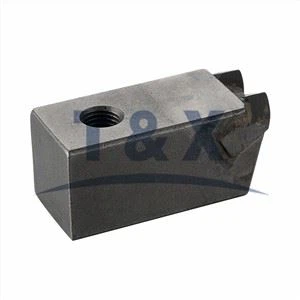
First off, let’s get one thing straight: iron spools aren’t a one-size-fits-all. Think of ‘em like shoes—you wouldn’t wear running boots to a fancy wedding, right? Same logic here. The first thing to figure out is what your spool is going to hold. Are you wrapping agriculture wire, cable, or heavy industrial rope? If it’s ag-specific, say for equipment like [Sweep Seed Drill Parts], the spool needs to handle constant outdoor use, maybe even rough storage on a farm. Those environments beat up gear, so flimsy spools won’t last a planting season. For example, sweep seed drills put steady tension on wires, so the spool’s wall thickness matters—too thin, and it’ll crack mid-job, leaving you with downtime.

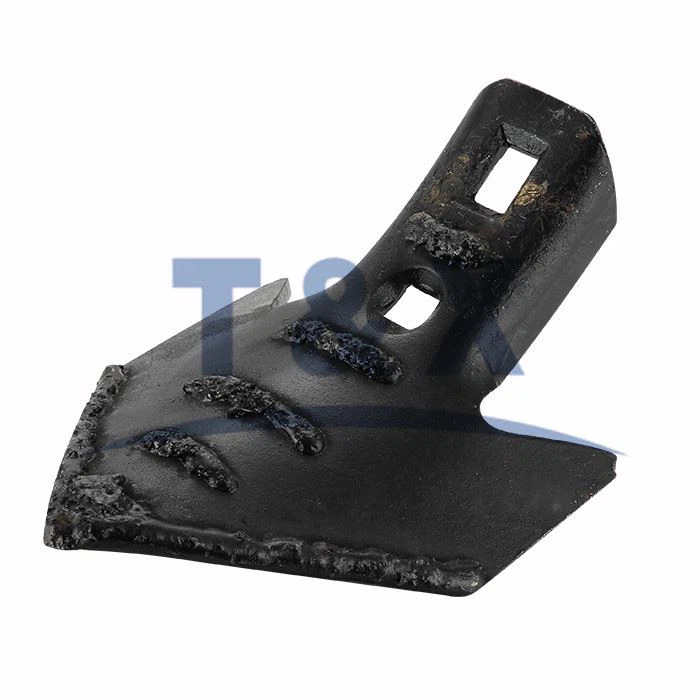
Next up, material grade. Not all iron is created equal. You’ve got your standard mild iron, which is fine for light-duty stuff, but if your project’s moving heavy loads, you need something stronger—like high-tensile iron. I’ve had customers come to me upset ‘cause their spool bent when they loaded 500 lbs of cable. Guess what? Mild iron would do that every time. High-tensile iron has more carbon, so it’s sturdier, more resistant to bending under pressure. It’s not just about strength, either—corrosion is a big one, especially if your project’s outdoor. Hot-dip galvanized iron spools will rust way slower than plain ones, which is a game-changer if you’re working with gear like [Forged Wear Resistant Earth Preparation Cutter] that’s exposed to dirt and moisture 24/7. Rusty spools can flake onto your product, causing defects you didn’t plan for.
Then there’s size, and I don’t just mean diameter. You need to match the spool’s inner diameter (ID) to your winding equipment. If your winder’s axle is 2 inches, a spool with a 1.9-inch ID won’t fit—simple as that. Too loose, and the spool will wobble during winding, leading to uneven wraps, which messes up your production. The outer diameter (OD) and width matter too. A spool that’s too narrow for your cable will crimp the wires, while one that’s too wide takes up unnecessary space, raising storage costs. I always tell customers to measure the exact width of their material—add a ¼ inch on each side for wiggle room, but don’t overdo it. For ag attachments like [Cultivator Attachments], the spool size has to sync with the equipment’s wire routing, or you’ll have kinks that break the line when the cultivator’s in the field.
Load capacity is another non-negotiable. This isn’t guessing—you have to calculate how much total weight the spool will hold when full. Add up the weight of your material plus the spool itself, then pick a spool rated for at least that number (add 10% extra just to be safe, ‘cause surprises happen). I once had a customer skip this step and use a spool rated for 300 lbs for a 350-lb load on gear like [Tillage Arms], which has to move heavy cables around. The spool collapsed mid-unload, damaging both the spool and the cable. Don’t do that math half-assed—it’s the easiest way to save yourself a headache.
What about finish? This is the part people sleep on, but it makes a huge difference. If your material’s sensitive (like certain electronics wires), a rough, unpolished spool will scratch it, ruining your product. For heavy industrial stuff, a matte finish is fine, but for ag parts that need to look presentable and function well, a smooth powder coat or zinc plating keeps the spool from leaving marks. Also, look for spools with rounded edges—sharp corners can fray wires over time, which leads to constant replacements. I always stock spools with radiused edges for ag and electrical projects ‘cause that small detail prevents so many issues down the line.
Custom options? Yeah, they’re a thing, and you shouldn’t dismiss ‘em. If your project has unique requirements—like a non-standard ID for your winder, or a spool with extra reinforcement for super-heavy loads—talking to a supplier who does custom runs is key. Generic spools might work, but if you’re working on a specialized gig, custom is worth the extra cost. I work with a lot of farmers who need spools sized specifically for their sweep seed drills, so I can make those adjustments easily. The worst move is forcing a square peg into a round hole just ‘cause the generic spool was cheaper.
Wait, let’s talk about quality control. A good supplier will have their specs laid out clearly—thickness, grade, load capacity—no vague “this works for most things” lines. If a supplier can’t tell you the exact material grade or load rating, run. I post all my specs right on my site ‘cause I want customers to feel confident they’re getting what they pay for. Also, check for consistency—are all the spools the same size? No burrs or rough patches? Those small defects add up to big problems when you’re in the middle of a project.
And don’t forget about post-purchase support. A solid supplier doesn’t just drop off your spools and vanish. If you have a question about installation, or you need to reorder a specific size, you want someone who responds quickly. I’ve had customers come back to me ‘cause their last supplier wouldn’t help when their spools didn’t fit their tillage arms. I make it a point to chat through any issues—even if it’s just troubleshooting a spool size.
At the end of the day, choosing the right iron spool comes down to matching your project’s specific needs. Don’t go for the cheapest option, don’t guess at size or load capacity, and don’t skip checking material grade and finish. If you’re working on an agriculture project with parts like sweep seed drills, earth preparation cutters, cultivator attachments, or tillage arms, make sure your spools are built to handle that kind of tough, outdoor use.
If you’re still not sure which spool is right for your project, don’t overthink it. Reach out to work with a supplier who knows their stuff and can walk you through every step—no pressure, no confusing jargon, just honest advice. We’re here to help you avoid downtime, save money, and get your project done right the first time.
References:
- Agricultural Machinery Parts Selection Guide, Heavy Duty Publications, 2023
- Corrosion Resistance in Industrial Iron Components, Material Engineering Journal, Vol. 45, No. 2, 2022
- Winding Equipment Compatibility Standards, Global Industrial Supply Association, 2021
- Load Capacity Calculations for Spooled Materials, Industrial Packaging and Handling Magazine, Vol. 18, No. 4, 2020