
Hey there! As a supplier of machining parts, I've come across a ton of challenges over the years, especially when it comes to machining parts with deep cavities. In this blog, I'll share some of the issues I've faced and how we've dealt with them.
Chip Evacuation
One of the biggest headaches in machining deep cavities is getting rid of the chips. When you're cutting a deep cavity, chips tend to pile up quickly. This is a problem because the accumulated chips can interfere with the cutting tool. They can cause the tool to overheat, which in turn leads to faster tool wear. And let's not forget about the poor surface finish on the part.
We've tried different methods to tackle this. High-pressure coolant systems have been a game-changer for us. By blasting coolant at high pressure into the cutting area, we can flush out the chips more effectively. Another approach is using special cutting tools designed for better chip control. These tools have unique geometries that help break the chips into smaller, more manageable pieces, making it easier for them to be removed.
Tool Deflection
Tool deflection is another major challenge. When you're using a long tool to machine a deep cavity, it's like a long stick trying to push through something. The tool can bend or deflect under the cutting forces. This deflection can lead to inaccurate dimensions of the part. The walls of the cavity might not be straight, or the depth might be off.
To minimize tool deflection, we've invested in high-quality, rigid tools. Tools made from materials like carbide are stiffer and less likely to deflect. We also optimize our cutting parameters. By reducing the cutting speed and feed rate, we can decrease the cutting forces acting on the tool. Additionally, we use tool holders that provide better support for the tool, keeping it as straight as possible during the machining process.
Cooling and Heat Management
Heat is the enemy when machining deep cavities. The friction between the cutting tool and the workpiece generates a lot of heat. If this heat isn't managed properly, it can cause all sorts of problems. The tool can become dull quickly, and the material of the workpiece can change its properties due to the high temperature.
We use a combination of coolant and lubricants to keep things cool. Coolants not only reduce the temperature but also help with chip evacuation. We make sure to apply the coolant directly to the cutting area. In some cases, we even use cryogenic cooling, which involves using extremely cold substances like liquid nitrogen. This can significantly lower the temperature at the cutting edge, extending the tool life and improving the surface finish of the part.
Accessibility and Visibility
Accessing the deep cavity to perform the machining operations can be a real pain. Sometimes, the cavity is so deep and narrow that it's difficult to get the cutting tool in there. And even if you manage to get the tool in, it can be hard to see what's going on. This lack of visibility can lead to mistakes, such as overcutting or not reaching all the areas that need to be machined.
To solve the accessibility issue, we use specialized tools with long reach. These tools are designed to fit into the deep cavities. For visibility, we've started using cameras and sensors. These devices can be placed near the cutting area, allowing us to monitor the machining process in real-time. We can see if there are any issues with chip evacuation, tool wear, or if the tool is deflected.
Material Considerations
The type of material being machined also plays a big role in the challenges of machining deep cavities. Some materials are more difficult to machine than others. For example, hard materials like stainless steel or titanium require more cutting force and generate more heat. On the other hand, soft materials like aluminum can be prone to burrs and surface finish issues.
We have to adjust our machining strategies based on the material. For hard materials, we use slower cutting speeds and more robust tools. For soft materials, we focus on getting a good surface finish by using sharp tools and appropriate cutting parameters. We also consider the material's thermal properties. Some materials conduct heat better than others, which affects our cooling and heat management strategies.
Surface Finish
Achieving a good surface finish in a deep cavity is no easy feat. The factors we've discussed earlier, like chip evacuation, tool deflection, and heat, all impact the surface finish. A poor surface finish can affect the functionality of the part. For example, if the part is going to be used in a high-precision application, a rough surface can cause problems with friction or sealing.
To improve the surface finish, we use finishing passes with fine cutting parameters. We also pay close attention to the tool condition. A dull tool will always result in a worse surface finish. Regularly inspecting and replacing the tools helps us maintain a good surface finish. Additionally, we use post-machining processes like polishing or honing to further improve the surface quality.
Cost and Time
Machining deep cavities can be expensive and time-consuming. The challenges we've discussed mean that we often need to use specialized tools, equipment, and techniques. These all add to the cost. And the extra steps required to deal with issues like chip evacuation and tool deflection take more time.
To manage the cost and time, we optimize our processes. We look for ways to streamline the machining operations, reduce the number of tool changes, and improve the overall efficiency. We also work closely with our customers to understand their requirements and find the most cost-effective solutions. Sometimes, a small modification to the design of the part can make a big difference in the machining process.


Examples of Our Machined Parts
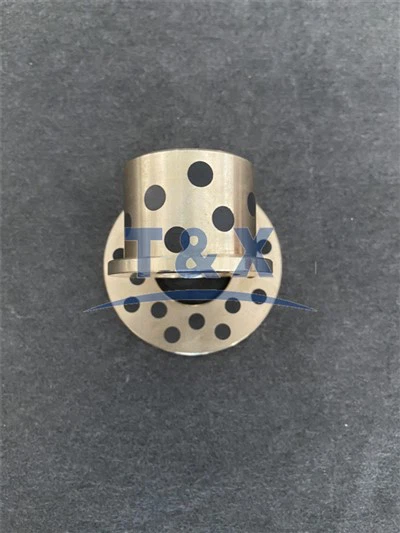
We've machined a variety of parts with deep cavities, including Graphite Self-lubricating Copper Sleeve, Trailer Wheel Stamping Hub Housing, and Trailer Wheel Forged Hub Housing With Bearings & Races. Each of these parts presented its own set of challenges, but we were able to overcome them using the strategies I've mentioned.
Conclusion
Machining parts with deep cavities is definitely not a walk in the park. It comes with a whole bunch of challenges, from chip evacuation and tool deflection to heat management and surface finish. But with the right tools, techniques, and strategies, we've been able to produce high-quality parts for our customers.
If you're in the market for machining parts, especially those with deep cavities, we'd love to have a chat with you. We can discuss your specific requirements and see how we can help you get the best possible parts at a reasonable cost and in a timely manner. So, don't hesitate to reach out for a procurement discussion!
References
- "Machining Handbook" by Industrial Press Inc.
- "Manufacturing Engineering & Technology" by Serope Kalpakjian and Steven R. Schmid