
Hey there! I'm a supplier of trencher parts, and I often get asked about the certifications these parts should have. In this blog, I'll break down the important certifications for trencher parts and why they matter.
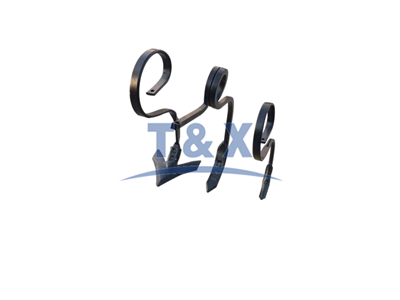
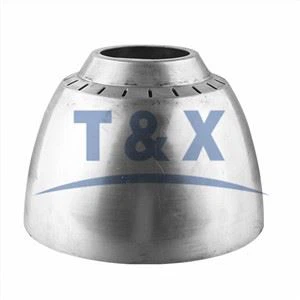
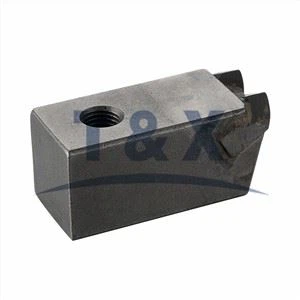
First off, let's talk about what trencher parts we're dealing with. We've got Trencher Carbide Teeth, Trencher Hard Faced Teeth, and Trencher Chain. These parts are crucial for the proper functioning of trenchers, which are used in various construction and excavation projects.
ISO 9001 Certification
One of the most well - known certifications in the manufacturing industry is ISO 9001. This certification is all about quality management systems. When a trencher parts supplier has ISO 9001 certification, it means they've got a well - defined and documented quality management system in place.
What does this mean for you as a buyer? Well, it gives you some peace of mind. The supplier is committed to consistently providing products that meet customer requirements. They've got processes for everything from design and development to production, installation, and servicing. For example, in the case of trencher carbide teeth, the ISO 9001 - certified supplier will have strict quality control measures during the manufacturing process. They'll check the hardness, the shape, and the overall quality of the teeth to make sure they perform as expected in the field.
CE Certification
CE certification is another important one, especially if you're in the European market. The CE mark indicates that the trencher parts comply with the essential health and safety requirements of the relevant European Directives.


Let's say you're using trencher chains. A CE - certified chain means that it has been tested for safety. It won't break easily under normal working conditions, and it's designed to minimize the risk of accidents. This is super important because trenchers are heavy - duty machines, and any malfunctioning part can pose a serious threat to the operators and the surrounding environment.
ASTM Standards
The American Society for Testing and Materials (ASTM) has developed a wide range of standards for different materials and products. For trencher parts, ASTM standards can cover things like the material composition, the mechanical properties, and the testing methods.
For trencher hard - faced teeth, ASTM standards might specify the type of hard - facing material that can be used, the thickness of the hard - facing layer, and the required hardness. By adhering to these standards, the supplier ensures that the teeth are durable and can withstand the wear and tear of digging through various types of soil and rock.
ISO 14001 Certification
ISO 14001 is related to environmental management systems. In today's world, environmental sustainability is a big deal. When a trencher parts supplier has ISO 14001 certification, it shows that they're taking steps to minimize their environmental impact.
During the manufacturing process of trencher parts, there are often energy - consuming and waste - generating activities. An ISO 14001 - certified supplier will have measures in place to reduce energy consumption, manage waste properly, and minimize pollution. For example, they might recycle some of the materials used in the production of trencher chains, or they might use more energy - efficient manufacturing techniques.
API Certification
If you're in the oil and gas industry and using trenchers for pipeline installation or other related projects, API (American Petroleum Institute) certification is key. API standards are designed to ensure the quality, safety, and reliability of products used in the petroleum and natural gas industries.
Trencher parts with API certification are specifically designed to meet the high - performance requirements of the oil and gas sector. For instance, the trencher carbide teeth used in these applications need to be able to cut through tough rock formations without wearing out too quickly. API - certified parts are rigorously tested to make sure they can handle these demanding conditions.
Material - Specific Certifications
Apart from the general certifications, there are also material - specific certifications. For example, if the trencher parts are made of certain alloys, there might be certifications related to the alloy composition and its properties.
Let's take a look at the trencher hard - faced teeth again. If they're made of a special alloy with a high chromium content, there could be a certification that verifies the exact percentage of chromium in the alloy. This is important because the chromium content can affect the corrosion resistance and the hardness of the teeth.
How to Check Certifications
Now that you know about these important certifications, you might be wondering how to check if a supplier's claims are true. Well, you can always ask the supplier for copies of the certificates. A legitimate supplier will be happy to provide them. You can also verify the certificates through the relevant certification bodies. For example, if it's an ISO 9001 certificate, you can contact the ISO - accredited certification body to confirm its authenticity.
Why Certifications Matter in the Long Run
Certifications aren't just pieces of paper. They have a real impact on the performance and the lifespan of trencher parts. A certified part is more likely to last longer, perform better, and be safer to use.
Let's say you're running a construction company. You've got a tight schedule and a budget to meet. If you buy non - certified trencher parts, you might end up with parts that break down quickly. This means more downtime for your equipment, which costs you money in terms of lost productivity. On the other hand, certified parts are more reliable, and you can count on them to keep your trencher running smoothly.
Contact for Procurement
If you're in the market for high - quality trencher parts, I'd love to talk to you. Whether you need Trencher Carbide Teeth, Trencher Hard Faced Teeth, or Trencher Chain, I can provide you with parts that meet the necessary certifications. Reach out to me, and we can discuss your specific requirements and how I can help you get the best parts for your trencher.
References
- ISO 9001:2015 Quality management systems — Requirements
- European Union CE Marking Directives
- ASTM International Standards
- ISO 14001:2015 Environmental management systems — Requirements with guidance for use
- API Standards Publications