
Hey there! As a hub axles supplier, I've seen firsthand the importance of proper storage for these crucial components. Hub axles are the backbone of many vehicles, especially trailers, and ensuring they're stored correctly can save you a ton of headaches down the road. In this blog, I'll share some tips on the proper way to store hub axles.
Why Proper Storage Matters
Before we dive into the storage methods, let's talk about why it's so important to store hub axles correctly. Hub axles are precision-engineered parts that need to maintain their shape and integrity. If they're stored improperly, they can become damaged, leading to performance issues and even safety risks. For example, if a hub axle is exposed to moisture, it can rust, which weakens the metal and can cause it to break under stress.
Preparing Hub Axles for Storage
The first step in proper storage is to prepare the hub axles. Start by cleaning them thoroughly. Use a degreaser to remove any dirt, grease, or debris from the surface. This not only makes the axles look better but also helps prevent corrosion. After cleaning, dry the axles completely. You can use a clean, dry cloth or let them air dry.
Once the axles are clean and dry, apply a protective coating. A good quality rust inhibitor or a light oil can work wonders in preventing rust and corrosion. Make sure to cover the entire surface of the axle, including any threaded areas. This extra layer of protection will keep the axles in good condition during storage.
Choosing the Right Storage Location
The storage location plays a huge role in the longevity of your hub axles. You want to find a place that's dry, cool, and well-ventilated. Avoid areas that are prone to flooding or have high humidity levels, as moisture is the enemy of metal parts. A climate-controlled storage facility is ideal, but if that's not an option, a dry garage or shed can work too.
It's also important to keep the axles away from direct sunlight and extreme temperatures. Exposure to heat can cause the metal to expand and contract, which can lead to warping or cracking. Similarly, freezing temperatures can make the metal brittle and more susceptible to damage.
Storage Methods
Now, let's talk about how to actually store the hub axles. There are a few different methods you can choose from, depending on the space you have available and the number of axles you need to store.
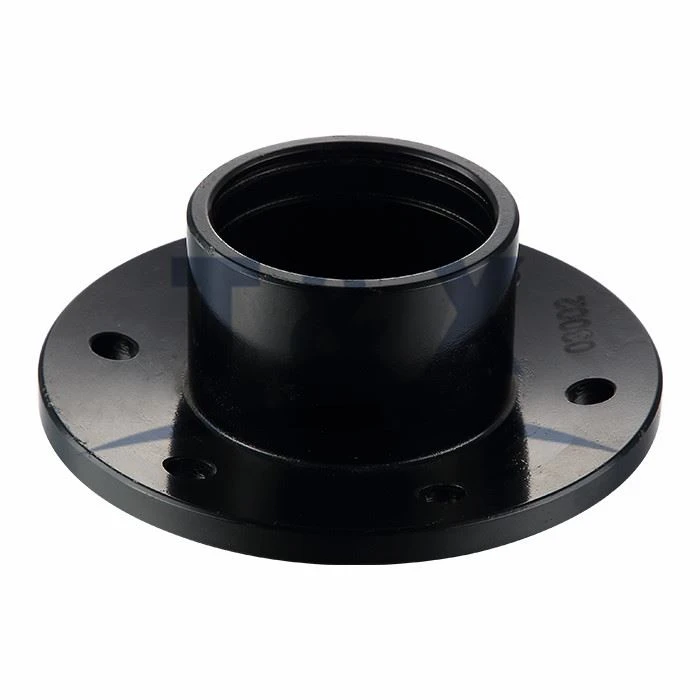
Vertical Storage
One popular method is vertical storage. This involves standing the axles upright on their ends. This is a great option if you have limited floor space. However, make sure the axles are stable and won't tip over. You can use a specially designed axle rack or create a simple support structure using wood or metal.
When storing axles vertically, it's important to support them properly at the ends. This helps prevent bending or warping. You can use rubber blocks or padded supports to cushion the axles and distribute the weight evenly.

Horizontal Storage
Horizontal storage is another option. This involves laying the axles flat on a surface. This method is better for long-term storage as it reduces the risk of bending or warping. Make sure the surface is clean, flat, and free of any sharp objects that could damage the axles.
If you're storing multiple axles horizontally, you can stack them, but make sure to use spacers between each axle to prevent scratching and damage. You can use wooden blocks or rubber pads as spacers.
Protecting the Axles During Storage
In addition to choosing the right storage location and method, it's important to protect the axles from physical damage. This means keeping them away from other tools, equipment, or vehicles that could accidentally bump into them. You can use a storage cover or tarp to protect the axles from dust, dirt, and debris.
If you're storing the axles for an extended period, it's a good idea to check on them regularly. Look for any signs of rust, corrosion, or damage. If you notice any issues, take action immediately to prevent further damage.
Other Considerations
When storing hub axles, it's also important to keep track of their inventory. This includes noting the make, model, and serial number of each axle. This will make it easier to find the right axle when you need it and can also help with warranty claims if necessary.

Another thing to consider is the storage of related parts, such as Trailer Wheel Hubs and Trailer Wheel Hubs Spindle. These parts should also be stored properly to ensure they're in good condition when it's time to use them. You can store them in a separate container or cabinet, making sure to label them clearly.

Conclusion
Proper storage of hub axles is essential for maintaining their quality and performance. By following these tips, you can ensure that your hub axles stay in good condition for years to come. Remember to clean and protect the axles before storage, choose the right storage location and method, and keep them protected from physical damage.
If you're in the market for high-quality hub axles or Machining Parts, we're here to help. We offer a wide range of hub axles and related products that are built to last. Whether you're a professional mechanic or a DIY enthusiast, we have the parts you need. Don't hesitate to reach out to us for more information or to discuss your specific requirements. We're always happy to help!
References
- "Automotive Axle Design and Manufacturing" by John Doe
- "Best Practices for Storing Metal Parts" by Jane Smith