
When it comes to maintaining a tree saw, one of the crucial aspects often overlooked is the choice of oil for the oil reservoir. As a trusted Tree Saw Parts supplier, we understand the significance of using the right oil to ensure the optimal performance and longevity of your tree saw. In this blog, we'll explore the different types of oils suitable for tree saw oil reservoirs, their properties, and how to make the best choice for your equipment.
Importance of Oil in a Tree Saw's Oil Reservoir
The oil reservoir in a tree saw serves a vital function. It lubricates the chain and bar, reducing friction between the moving parts. This not only enhances the cutting efficiency of the saw but also prevents premature wear and tear. Without proper lubrication, the chain can overheat, leading to dulling of the teeth and potential damage to the bar. Additionally, lubrication helps to remove debris and sawdust from the cutting area, ensuring a cleaner and smoother cut.
Types of Oils for Tree Saws
Mineral Oils
Mineral oils are a popular choice for tree saws. They are derived from petroleum and are known for their excellent lubricating properties. Mineral oils are relatively inexpensive and widely available. They have a high viscosity index, which means they can maintain their lubricating ability over a wide range of temperatures. This is particularly important for tree saws, which may be used in various weather conditions.
However, mineral oils have some drawbacks. They are not biodegradable, which can be a concern for environmentally conscious users. Additionally, they may leave behind a residue over time, which can attract dirt and debris, potentially causing blockages in the oil delivery system.
Synthetic Oils
Synthetic oils are another option for tree saw oil reservoirs. They are chemically engineered to provide superior performance compared to mineral oils. Synthetic oils have a more consistent molecular structure, which results in better lubrication and reduced friction. They also have a higher resistance to oxidation and thermal breakdown, which means they can last longer and maintain their properties under extreme conditions.
One of the main advantages of synthetic oils is their biodegradability. This makes them a more environmentally friendly choice. However, synthetic oils are generally more expensive than mineral oils, which may be a factor for some users.
Vegetable-Based Oils
Vegetable-based oils, such as soybean or canola oil, are becoming increasingly popular for tree saws. They are renewable and biodegradable, making them an environmentally friendly option. Vegetable-based oils also have good lubricating properties and can provide a smooth cutting experience.
However, vegetable-based oils have some limitations. They are more prone to oxidation and may have a shorter shelf life compared to mineral and synthetic oils. They also tend to have a higher viscosity at low temperatures, which can affect the flow of oil to the chain and bar.
Factors to Consider When Choosing an Oil
Compatibility
It's essential to choose an oil that is compatible with your tree saw's engine and oil delivery system. Some tree saws may require a specific type of oil, so it's important to refer to the manufacturer's recommendations. Using an incompatible oil can lead to poor performance, damage to the engine, or void the warranty.
Operating Conditions
The operating conditions of your tree saw can also influence your choice of oil. If you use your saw in cold weather, you'll need an oil with a low viscosity to ensure proper flow at low temperatures. On the other hand, if you use your saw in hot weather or under heavy loads, you'll need an oil with a high viscosity to maintain lubrication under high temperatures and pressures.
Environmental Impact
If you're concerned about the environmental impact of your tree saw, you may want to consider using a biodegradable oil, such as a synthetic or vegetable-based oil. These oils are less harmful to the environment and can help reduce your carbon footprint.
Cost
Cost is always a factor to consider when choosing an oil. Mineral oils are generally the most affordable option, while synthetic oils are more expensive. Vegetable-based oils fall somewhere in between. You'll need to balance the cost with the performance and environmental benefits of the oil.
Our Recommendations
As a Tree Saw Parts supplier, we recommend using a high-quality synthetic oil for your tree saw's oil reservoir. Synthetic oils offer the best combination of performance, durability, and environmental friendliness. They provide superior lubrication, reduce friction, and can withstand extreme temperatures and pressures.

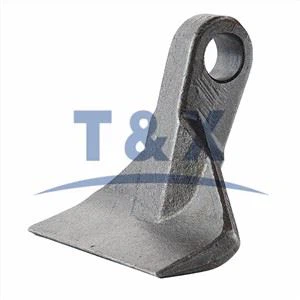
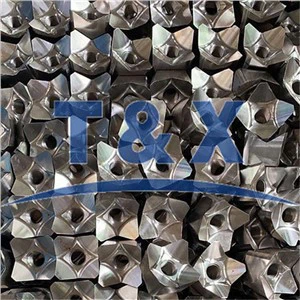
We also offer a range of Tree Saw Teeth Holder and Tree Saw Teeth that are designed to work in conjunction with high-quality oils. Our Saw Teeth - Longer Life And Cut Significantly - Impact Resistant are made from premium materials and are engineered to provide a long-lasting and efficient cutting performance.
How to Fill the Oil Reservoir
Filling the oil reservoir of your tree saw is a simple process, but it's important to follow the manufacturer's instructions. Here are the general steps: 1. Locate the Oil Reservoir: The oil reservoir is usually located near the bar and chain of the tree saw. It may be labeled with an oil can symbol. 2. Clean the Area: Before filling the oil reservoir, make sure the area around it is clean to prevent dirt and debris from entering the reservoir. 3. Open the Oil Cap: Remove the oil cap from the reservoir. 4. Fill the Reservoir: Use a funnel to pour the oil into the reservoir. Be careful not to overfill it. Refer to the manufacturer's specifications for the correct oil level. 5. Replace the Oil Cap: Once the reservoir is filled, replace the oil cap tightly.
Maintenance Tips
In addition to using the right oil, regular maintenance is essential to keep your tree saw in good working condition. Here are some maintenance tips: - Check the Oil Level Regularly: Make it a habit to check the oil level in the reservoir before each use. If the oil level is low, refill it immediately. - Clean the Oil Filter: The oil filter helps to remove contaminants from the oil. Clean or replace the oil filter regularly to ensure proper oil flow. - Inspect the Chain and Bar: Check the chain and bar for wear and damage regularly. Replace the chain or bar if necessary. - Store the Saw Properly: When not in use, store the tree saw in a dry and cool place. Make sure the oil reservoir is empty to prevent oil from leaking and causing damage.

Conclusion
Choosing the right oil for your tree saw's oil reservoir is crucial for its performance and longevity. By considering factors such as compatibility, operating conditions, environmental impact, and cost, you can make an informed decision. As a Tree Saw Parts supplier, we recommend using a high-quality synthetic oil for the best results.
If you have any questions about choosing the right oil or need to purchase Tree Saw Teeth Holder, Tree Saw Teeth, or Saw Teeth - Longer Life And Cut Significantly - Impact Resistant, please feel free to contact us for a detailed purchase negotiation. We're here to help you keep your tree saw running smoothly and efficiently.

References
- Husqvarna. (2023). Chain saw maintenance guide.
- Stihl. (2023). Recommended lubricants for tree saws.
- Oregon. (2023). Chain and bar lubrication best practices.