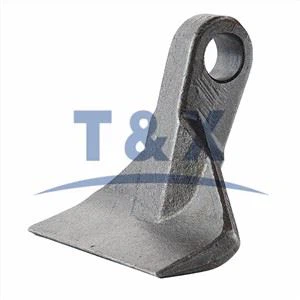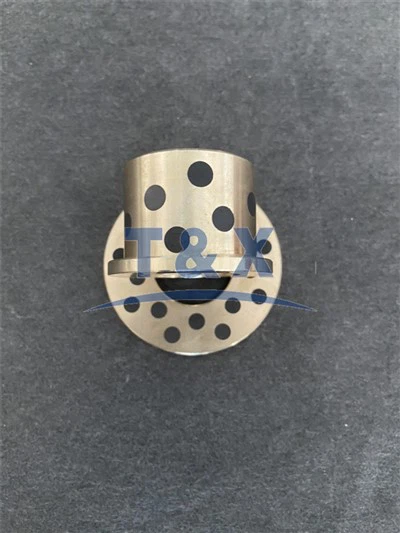

Ductile iron, also known as nodular cast iron or spheroidal graphite iron, has been a game - changer in the manufacturing industry. As a supplier of Ductile Iron Parts, I've had the privilege of witnessing its growing applications across various sectors, especially the automotive industry. In this blog, I'll delve into whether ductile iron parts are suitable for use in the automotive industry.
The Unique Properties of Ductile Iron
Ductile iron gets its name from its ductility, which is a stark contrast to the more brittle nature of Grey Iron Parts. The graphite in ductile iron is in the form of spherical nodules rather than the flake - like structure found in grey iron. This unique graphite morphology imparts several advantageous properties to ductile iron.
One of the most significant properties is its high strength - to - weight ratio. In the automotive industry, where fuel efficiency is a top priority, reducing weight without sacrificing strength is crucial. Ductile iron parts can be designed to be lighter than their counterparts made from other materials while still maintaining the necessary strength to withstand the rigors of automotive applications.
Another important property is its excellent fatigue resistance. Automotive components are subjected to repeated loading and unloading cycles during normal operation. Ductile iron's ability to resist fatigue cracking means that parts made from it have a longer service life, reducing the need for frequent replacements and minimizing downtime.

Ductile iron also has good machinability. This allows for the production of complex automotive parts with tight tolerances. Manufacturers can achieve the required precision in the machining process, which is essential for the proper functioning of automotive components.
Applications of Ductile Iron Parts in the Automotive Industry
Ductile iron parts are used in a wide range of automotive applications. One of the most common uses is in the production of engine components. For example, crankshafts are critical engine parts that convert the reciprocating motion of the pistons into rotational motion. Ductile iron's high strength and fatigue resistance make it an ideal material for crankshafts. It can withstand the high - stress conditions within the engine and ensure smooth operation over a long period.
Suspension components are another area where ductile iron shines. Control arms, which connect the wheels to the vehicle's frame, need to be strong and durable to handle the forces exerted during cornering, braking, and acceleration. Ductile iron control arms can provide the necessary rigidity and stability, improving the overall handling and safety of the vehicle.
Brake components are also often made from ductile iron. Brake calipers, for instance, need to be able to withstand high temperatures and mechanical stresses. Ductile iron's heat resistance and strength make it a suitable choice for brake calipers, ensuring reliable braking performance.
Comparison with Other Materials
When considering the suitability of ductile iron parts for the automotive industry, it's important to compare them with other materials commonly used in automotive manufacturing.
Compared to steel, ductile iron has a lower cost of production in many cases. The casting process for ductile iron is relatively simple and cost - effective, especially for complex shapes. Additionally, ductile iron can achieve similar strength levels to some types of steel, making it a more economical alternative for certain automotive applications.
Aluminum is another popular material in the automotive industry due to its low weight. However, aluminum may not have the same level of strength and wear resistance as ductile iron. In applications where high strength and durability are required, such as engine blocks or heavy - duty suspension components, ductile iron may be a better choice.
Grey Iron Parts are also used in the automotive industry, but they are more brittle compared to ductile iron. Grey iron is often used in applications where vibration damping is important, such as engine blocks. However, for parts that need to withstand high - stress and dynamic loading, ductile iron is generally preferred.

Challenges and Limitations
While ductile iron parts offer many advantages for the automotive industry, there are also some challenges and limitations.
One of the challenges is the weight. Although ductile iron has a good strength - to - weight ratio, it is still heavier than some materials like aluminum. In an industry that is constantly striving to reduce vehicle weight for better fuel efficiency, this can be a drawback. However, advancements in design and manufacturing techniques are allowing for the optimization of ductile iron parts to reduce their weight without sacrificing performance.
Another limitation is the corrosion resistance of ductile iron. In automotive applications, parts are often exposed to harsh environmental conditions, including moisture and road salt. Without proper surface treatment, ductile iron parts can corrode over time. However, there are various coating and plating methods available that can enhance the corrosion resistance of ductile iron parts.
Quality Control and Assurance
As a supplier of Ductile Iron Parts, quality control is of utmost importance. In the automotive industry, the reliability and safety of components are non - negotiable. We implement strict quality control measures throughout the manufacturing process.
From the raw material inspection to the final product testing, every step is carefully monitored. We use advanced testing techniques such as ultrasonic testing, magnetic particle inspection, and tensile testing to ensure that our ductile iron parts meet the highest quality standards. Our quality control team is trained to identify and address any potential issues, ensuring that only the best - quality parts are delivered to our automotive customers.
Future Outlook
The future of ductile iron parts in the automotive industry looks promising. With the continuous development of new manufacturing technologies, the properties of ductile iron can be further improved. For example, new alloying elements can be added to enhance its strength, ductility, and corrosion resistance.
As the automotive industry moves towards more sustainable and energy - efficient solutions, ductile iron parts can play an important role. Their recyclability makes them an environmentally friendly choice, and their high strength and durability can contribute to the overall longevity of vehicles.
Conclusion
In conclusion, ductile iron parts are highly suitable for use in the automotive industry. Their unique properties, such as high strength - to - weight ratio, excellent fatigue resistance, and good machinability, make them ideal for a wide range of automotive applications, including engine components, suspension parts, and brake components.
While there are some challenges and limitations, such as weight and corrosion resistance, these can be overcome through advancements in design, manufacturing, and surface treatment techniques. As a supplier of Ductile Iron Parts, we are committed to providing high - quality products that meet the strict requirements of the automotive industry.
If you are in the automotive industry and are looking for reliable and high - performance ductile iron parts, we invite you to contact us for procurement and further discussions. We are ready to work with you to provide the best solutions for your specific needs.
References
- ASM Handbook, Volume 1: Properties and Selection: Irons, Steels, and High - Performance Alloys
- "Automotive Materials: Properties, Selection, and Applications" by J. F. Wallace
- "Ductile Iron: Fundamentals and Applications" by R. E. L. G. Silva and A. K. Biswas