
As a supplier of Steel Wear Parts, I've encountered a wide range of issues with these crucial components. Troubleshooting problems with steel wear parts is a complex but essential process that requires a systematic approach. In this blog, I'll share my experiences and insights on how to effectively troubleshoot these problems.
Understanding the Basics of Steel Wear Parts
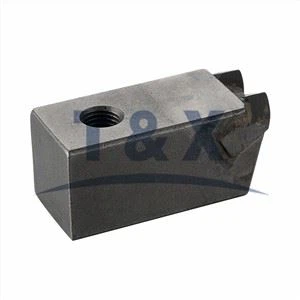
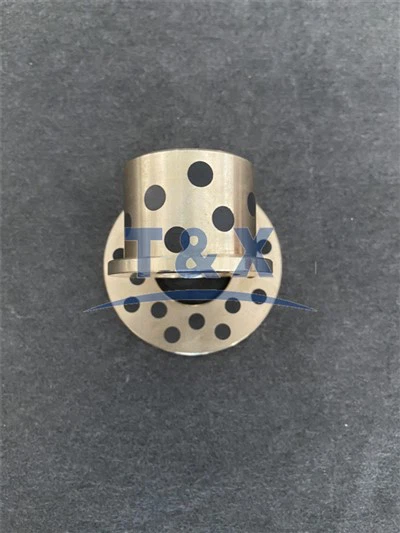
Before delving into troubleshooting, it's important to have a solid understanding of steel wear parts. Steel wear parts are designed to withstand friction, abrasion, and impact in various industrial applications. They are commonly used in mining, construction, agriculture, and manufacturing industries. These parts can include Cast Flail Cutter, blades, buckets, and liners, among others.
The quality of steel wear parts depends on several factors, including the type of steel used, the manufacturing process, and the heat treatment. Different types of steel have different properties, such as hardness, toughness, and corrosion resistance. The manufacturing process, such as casting or forging, can also affect the quality and performance of the parts. Heat treatment is used to enhance the mechanical properties of the steel, such as hardness and strength.
Common Problems with Steel Wear Parts
There are several common problems that can occur with steel wear parts. These problems can be caused by a variety of factors, including improper installation, overloading, poor maintenance, and environmental conditions. Here are some of the most common problems:
Wear and Tear
Wear and tear is the most common problem with steel wear parts. It occurs when the surface of the part is gradually worn away due to friction and abrasion. This can be caused by the movement of materials, such as rocks, sand, or gravel, against the surface of the part. Wear and tear can reduce the effectiveness of the part and eventually lead to its failure.
Cracking and Fracturing
Cracking and fracturing can occur when the part is subjected to excessive stress or impact. This can be caused by overloading, improper installation, or a defect in the material. Cracks and fractures can weaken the part and make it more susceptible to failure.


Corrosion
Corrosion is another common problem with steel wear parts. It occurs when the steel is exposed to moisture, chemicals, or other corrosive substances. Corrosion can cause the surface of the part to rust and deteriorate, reducing its strength and durability.
Deformation
Deformation can occur when the part is subjected to excessive heat or pressure. This can be caused by overloading, improper installation, or a defect in the material. Deformation can change the shape of the part and make it less effective.
Troubleshooting Steps
When troubleshooting problems with steel wear parts, it's important to follow a systematic approach. Here are the steps I typically follow:
Step 1: Identify the Problem
The first step in troubleshooting is to identify the problem. This can be done by visually inspecting the part, looking for signs of wear, cracking, corrosion, or deformation. You can also use non-destructive testing methods, such as ultrasonic testing or magnetic particle testing, to detect internal defects.
Step 2: Determine the Cause
Once you've identified the problem, the next step is to determine the cause. This can be done by analyzing the operating conditions, such as the load, speed, temperature, and environment. You can also review the installation and maintenance records to see if there were any issues.
Step 3: Evaluate the Options
After determining the cause of the problem, the next step is to evaluate the options for repair or replacement. This can depend on several factors, such as the severity of the problem, the cost of repair or replacement, and the availability of the parts.
Step 4: Implement the Solution
Once you've evaluated the options, the next step is to implement the solution. This can involve repairing the part, replacing the part, or making changes to the operating conditions or maintenance procedures.
Step 5: Monitor the Results
After implementing the solution, it's important to monitor the results to ensure that the problem has been resolved. This can be done by regularly inspecting the part, measuring its performance, and comparing it to the previous results.
Tips for Preventing Problems with Steel Wear Parts
In addition to troubleshooting problems with steel wear parts, it's also important to take steps to prevent these problems from occurring in the first place. Here are some tips:
Proper Installation
Proper installation is crucial for the performance and longevity of steel wear parts. Make sure that the parts are installed correctly, according to the manufacturer's instructions. Use the correct tools and techniques, and ensure that the parts are properly aligned and tightened.
Regular Maintenance
Regular maintenance is essential for keeping steel wear parts in good condition. This can include cleaning the parts, lubricating them, and inspecting them for signs of wear, cracking, corrosion, or deformation. Replace any worn or damaged parts as soon as possible.
Proper Operating Conditions
Proper operating conditions are important for the performance and longevity of steel wear parts. Make sure that the parts are used within their design limits, and avoid overloading or subjecting them to excessive stress or impact. Use the correct lubricants and coolants, and ensure that the parts are protected from moisture, chemicals, and other corrosive substances.
Quality Parts
Using high-quality steel wear parts is essential for preventing problems. Make sure that the parts are made from the correct type of steel, and that they are manufactured to the highest standards. Choose a reputable supplier who can provide you with quality parts and excellent customer service.
Conclusion
Troubleshooting problems with steel wear parts is a complex but essential process that requires a systematic approach. By understanding the basics of steel wear parts, identifying the common problems, following the troubleshooting steps, and taking steps to prevent these problems from occurring, you can ensure the performance and longevity of your steel wear parts.
If you're experiencing problems with your steel wear parts or are looking for high-quality Steel Wear Parts and Steel Casting Parts, I encourage you to contact us. We have a team of experts who can help you troubleshoot your problems and provide you with the right solutions. Let's start a conversation about your specific needs and how we can assist you in your procurement process.
References
- "Handbook of Wear of Materials" by M. M. Khruschov and Y. M. Babichev
- "Wear Control Handbook" by M. B. Peterson and W. O. Winer
- "Corrosion Engineering" by Mars G. Fontana