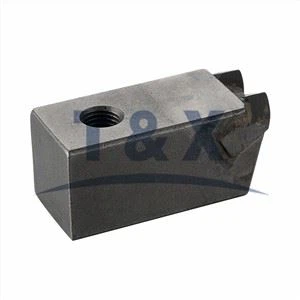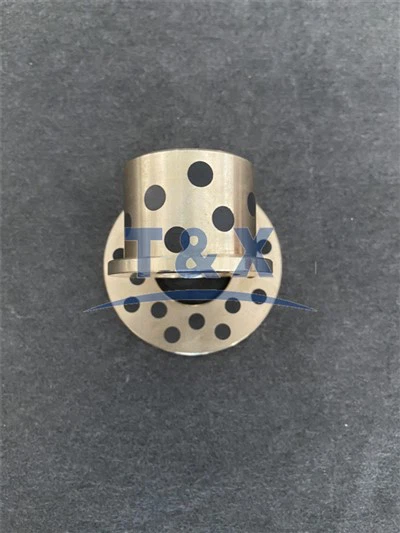

Turned-machined parts play a pivotal role in a wide array of industries due to their precision, durability, and versatility. As a prominent supplier of machining parts, I have witnessed firsthand the diverse applications of these parts across various sectors. In this blog post, I will delve into the numerous applications of turned-machined parts and highlight their significance in modern manufacturing.
Automotive Industry
The automotive industry is one of the largest consumers of turned-machined parts. These parts are used in engines, transmissions, braking systems, and suspension components. For example, crankshafts, camshafts, and pistons are critical engine components that are often produced through turning operations. These parts require high precision and tight tolerances to ensure optimal engine performance and reliability.
In addition to engine components, turned-machined parts are also used in automotive braking systems. Brake rotors, calipers, and pistons are all examples of parts that are commonly produced through turning. These parts must be manufactured with extreme precision to ensure proper braking performance and safety.
Another important application of turned-machined parts in the automotive industry is in the production of wheels and wheel hubs. Trailer Wheel Hubs Kit are essential components that connect the wheels to the vehicle's suspension system. These parts must be strong, durable, and precisely machined to ensure proper wheel alignment and handling.
Aerospace Industry
The aerospace industry demands the highest level of precision and quality in its components. Turned-machined parts are widely used in aerospace applications due to their ability to meet these stringent requirements. These parts are used in aircraft engines, landing gear, flight control systems, and other critical components.
For example, turbine blades and compressor disks are key components in aircraft engines that are often produced through turning operations. These parts must be made from high-strength materials and machined with extreme precision to ensure optimal engine performance and efficiency.


In addition to engine components, turned-machined parts are also used in aerospace landing gear systems. Landing gear components, such as axles, struts, and wheels, must be able to withstand the extreme forces and stresses associated with takeoff, landing, and taxiing. Turned-machined parts are ideal for these applications due to their strength, durability, and precision.
Medical Industry
The medical industry relies heavily on turned-machined parts for the production of medical devices and equipment. These parts are used in a wide range of applications, including surgical instruments, implantable devices, and diagnostic equipment.
For example, surgical instruments such as scalpels, forceps, and scissors are often made from turned-machined parts. These parts must be made from high-quality materials and machined with extreme precision to ensure sharpness, durability, and ease of use.
Implantable devices, such as hip and knee replacements, dental implants, and pacemakers, also rely on turned-machined parts for their production. These parts must be biocompatible, corrosion-resistant, and precisely machined to ensure proper fit and function within the human body.
Construction Industry
The construction industry uses turned-machined parts in a variety of applications, including heavy machinery, building structures, and infrastructure projects. These parts are used to ensure the strength, durability, and reliability of construction equipment and structures.
For example, Machined Pins Construction Machinery Parts are essential components in construction machinery such as excavators, bulldozers, and cranes. These parts are used to connect various components of the machinery and ensure smooth operation.
In addition to construction machinery, turned-machined parts are also used in building structures and infrastructure projects. For example, bolts, nuts, and screws are commonly used to connect steel beams and columns in building construction. These parts must be made from high-strength materials and machined with precision to ensure the structural integrity of the building.
Energy Industry
The energy industry, including oil and gas, renewable energy, and power generation, relies on turned-machined parts for the production of equipment and components. These parts are used in drilling rigs, pipelines, turbines, and other critical infrastructure.
For example, drill bits and drill collars are essential components in oil and gas drilling operations. These parts must be made from high-strength materials and machined with precision to withstand the extreme conditions and forces associated with drilling.
In the renewable energy sector, turned-machined parts are used in wind turbines and solar panels. For example, Hub Axles are key components in wind turbines that connect the blades to the generator. These parts must be strong, durable, and precisely machined to ensure optimal performance and efficiency of the wind turbine.
General Manufacturing
Turned-machined parts are also widely used in general manufacturing applications, including consumer goods, electronics, and furniture. These parts are used to produce a wide range of products, from small electronic components to large furniture pieces.
For example, turned-machined parts are used in the production of electronic devices such as smartphones, laptops, and tablets. These parts are used to connect various components of the device and ensure proper functionality.
In the furniture industry, turned-machined parts are used to produce chair legs, table legs, and other decorative elements. These parts can be made from a variety of materials, including wood, metal, and plastic, and can be customized to meet the specific design requirements of the furniture.
Conclusion
In conclusion, turned-machined parts have a wide range of applications across various industries. Their precision, durability, and versatility make them essential components in modern manufacturing. As a supplier of machining parts, I am committed to providing high-quality turned-machined parts that meet the specific needs and requirements of my customers.
If you are in need of turned-machined parts for your industry or application, I encourage you to contact me for a consultation. I have the expertise and experience to help you select the right parts for your project and ensure their timely delivery. Let's work together to achieve your manufacturing goals.
References
- Kalpakjian, S., & Schmid, S. R. (2019). Manufacturing Engineering and Technology. Pearson.
- Groover, M. P. (2010). Fundamentals of Modern Manufacturing: Materials, Processes, and Systems. Wiley.
- ASM International. (2008). Machining. ASM Handbook, Volume 16.