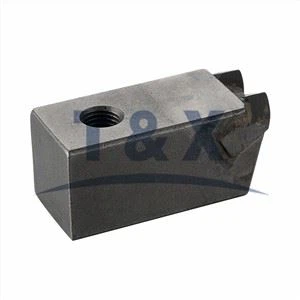

If you’ve ever used a tree saw for anything—whether clearing a few overhanging branches in your backyard, cutting firewood, or handling larger timber jobs—you know the saw itself only works as well as the handle attached to it. I’ve been in the tree saw parts game for years, running a spot that supplies everything from worn-out saw teeth to the handles that keep you steady mid-cut. People always ask me the same thing: “Why does the handle matter so much?” Let me break it down—there’s not just one type, and picking the wrong one can turn a quick job into a sore-handed nightmare. Plus, when you pair the right handle with solid parts like tree saw teeth holders or tree saw teeth, you’ve got a setup that actually works.
First, let’s start with the basics I wish more DIYers and even small tree services knew: tree saw handles aren’t one-size-fits-all. They’re built for specific jobs, user strengths, and how much force you need to apply. I’ve seen beginners grab a random handle from a garage sale, yank too hard, and slip—no thanks. I’m gonna walk through the main types I stock, what they’re good for, and when to reach for each.
Let’s kick off with the classic D-Handle. This is the one that looks like a capital D attached to the end of a long saw bar. It’s probably the most common you’ll see at big box stores, and for good reason. The curved part of the D fits perfectly in the palm of your hand, and the straight side gives you something to grip with your fingers. It’s lightweight, which is why it’s perfect for small to medium jobs—like pruning small trees, cutting branches up to 6 inches thick, or trimming hedges. I use mine all the time for quick backyard cleanup, and I’ve sold hundreds of these to homeowners who don’t need to haul a 10-pound saw around. The downside? It’s not great for heavy, sustained cutting. If you’re trying to fell a 12-inch oak, a D-Handle will force you to use your wrist more than your whole arm, which leads to fatigue fast. Also, it’s not adjustable—if you have big hands, the D might feel cramped, and if you have small hands, you might struggle to get a solid grip on the straight side. Pro tip: pair a D-Handle with high-quality wearable alloy steel saw tooth for longer life, since the D-Handle’s lighter load puts less stress on the teeth over time.
Next up: the Two-Handed Straight Handle. This is the big boy for heavy-duty work. It’s a long, straight bar (usually 3 to 4 feet) with grips at both ends—one near the saw blade and one at the far end. You use both hands here, which lets you apply way more force without slipping. This is what professional tree trimmers and loggers reach for when tackling bigger branches or small trees. I’ve had regular customers who run tree services swear by these for clearing storm damage, because you can drive through thick, wet wood without burning out your hands after 10 minutes. The best part about this handle is the leverage—when you pull back on the far grip, the force transfers straight to the blade, so you don’t waste energy twisting or adjusting your grip mid-cut. The catch? It’s bulkier and heavier than a D-Handle, so you won’t want to carry it around for small jobs. Also, beginners might find it awkward at first—you have to learn how to coordinate both hands so you don’t veer off course. I always tell new customers to practice on a small branch first before jumping into a big oak.
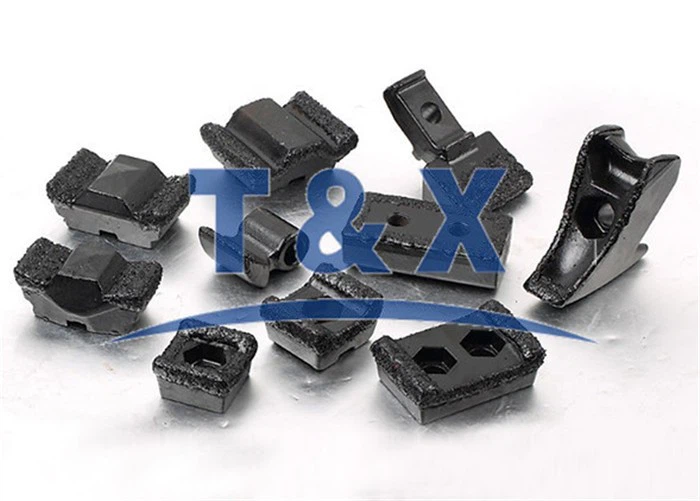

Then there’s the Cant Hook Handle. Wait, no—wait, hold on, don’t confuse that with a log roller. No, the cant hook’s handle is different. I’m talking about the Sidewinder or Trigger Grip Handle. This is a newer design that’s gaining traction, especially among folks who do a mix of light and heavy work. It has a curved, trigger-like grip on one side and a secondary hold for your other hand, so it’s kind of a middle ground between D-Handle and two-handed. The trigger grip is super comfortable— it fits naturally in your palm, so you don’t have to squeeze as tight to keep the saw steady. A lot of my customers who have carpal tunnel or wrist issues love these, because they reduce the tension in their hands. They work great for cutting medium-sized branches (8 to 10 inches) and even some small trees, and they’re compact enough to toss in a truck bed without taking up too much space. The only downside is that they’re a bit more expensive than basic D-Handles, but I always say it’s worth it if you’re using your saw more than once a month. I’ve also found that these handles work well with tree saw teeth holders, since the reduced strain on the blade means the holders don’t wear out as quickly.
Wait, another type I can’t skip: the Adjustable Handle. This is a relatively new one that’s been big with people who do a mix of tasks. The grip length can be changed—you can make it short like a D-Handle for pruning, or extend it to 4 feet for heavy cutting. How does that work? Most have a locking mechanism that lets you slide the two hand grips up or down the saw bar. It’s genius for people who don’t want to buy two separate saws or handles. I’ve sold a ton of these to homeowners who occasionally take on small jobs and sometimes help neighbors with bigger projects. The downside is that the moving parts can get jammed up if you don’t clean them regularly. If you go this route, make sure to wipe down the locking mechanism after each use, especially if you’re cutting in muddy or dusty areas. Also, the adjustment process is a little tedious—you can’t switch lengths mid-cut, so you have to stop and re-lock it. Still, for versatility, it’s hard to beat.
Now, let’s talk about what really matters when choosing any handle, regardless of type. First is material. Most handles these days are either wood, plastic, or fiberglass. Wood handles are classic—they feel good in your hand, absorb vibration, and have a nice, natural grip. The problem is they rot if they get wet, and they can crack if you drop the saw or hit a knot. I still stock wooden handles for people who prefer the traditional feel, but I always warn them to keep theirs dry when not in use. Plastic handles are cheap and lightweight, but they don’t absorb vibration at all. After an hour of cutting, your hands will be numb, and you might get blisters. Fiberglass is the sweet spot for most people. It’s durable, doesn’t rot or crack, absorbs vibration way better than plastic, and is lightweight enough for long days on the job. It’s a bit pricier, but it lasts years longer than the other two.
Size is another big factor. I can’t tell you how many times someone has come in asking for a handle “for my 20-inch saw” but doesn’t mention their hand size or how they plan to use it. If you have small hands, a long two-handed handle will feel too unwieldy, and you’ll struggle to control the blade. If you’re tall, a short D-Handle might make you hunch over, leading to back pain. My go-to rule: if you’re using a one-handed handle, it should fit comfortably in your palm with a little room to spare. For two-handed, the distance between the two grips should be about the length of your arm from your elbow to your wrist— that way you can apply full force without reaching or stretching.
Also, let’s not forget about compatibility. Not every handle works with every saw blade. That’s why I always make sure to list which handles pair well with the parts I sell. For example, a two-handed straight handle is designed for larger, thicker blades, so it won’t fit a small pruning saw. If you’re replacing a handle, bring in the old one if you can, or write down the model number of your saw— that way I can point you to the right fit. And remember, the handle isn’t the only part that matters. If your blade is dull or your tree saw teeth are worn, even the best handle won’t make your saw cut smoothly. That’s why I recommend pairing a new handle with fresh teeth, especially if you’re using your saw a lot.
Wait, let’s address a common mistake I see all the time: people thinking a bigger, heavier handle is better. Nope. If you’re only cutting small branches, a heavy two-handed handle will just make your work harder. It’s like using a sledgehammer to hang a picture—overkill and frustrating. On the flip side, using a tiny D-Handle for felling a tree is just dangerous. You’ll have less control, and you could slip and get hurt. I always tell customers to assess their most common jobs first. 90% of the time, if you’re a homeowner, a D-Handle or adjustable handle will cover you. If you’re a professional or do heavy cutting, two-handed straight is your guy.
Another thing: maintenance. Handles need care too, not just the blades. For wooden handles, oil them once a year to prevent drying and cracking. For fiberglass, just wipe them down and check for any loose grips. If the handle starts to wobble, tighten the bolts—most have easy-access screws that don’t require special tools. And if you do have a handle that’s beyond saving, don’t just throw the whole saw away. A lot of people come to me just needing a new handle, and it’s way cheaper than buying a whole new saw.
At the end of the day, the right tree saw handle is all about comfort, control, and matching it to the work you’re doing. I’ve spent years testing different types, talking to customers, and figuring out what actually works, not just what looks good on a shelf. Whether you’re a weekend warrior trimming your trees or a pro tackling storm cleanup, there’s a handle out there that’ll make your job easier. If you’re not sure which one fits your needs, or you need replacement parts like teeth holders, teeth, or wearable steel saw teeth, hit me up. I’m here to help you get the right setup, no fancy jargon or pressure to buy more than you need.
References:
- "Tree Saw Handle Types and Use Cases" - Outdoor Power Equipment Industry Report, 2022
- "Ergonomics of Manual Tree Saw Handles" - Journal of Arboriculture and Urban Forestry, 2021
- "Wear and Tear Patterns in Saw Handles and Blades" - Industrial Tool Maintenance Quarterly, 2023